
Meeting Rooms: Key Differences Between Traditional And Collaborative Spaces

Technology Integration in Hong Kong Meeting Environments
The integration of technology is a significant differentiator between conventional meeting rooms and modern collaborative spaces in Hong Kong. Traditional rooms may provide standard equipment, such as projectors, fixed conference phones, and basic video conferencing tools. These solutions typically support structured presentations and planned discussions. Installation tends to be permanent, supporting the consistent delivery of formal content but limiting adaptability for spontaneous or interactive use cases.
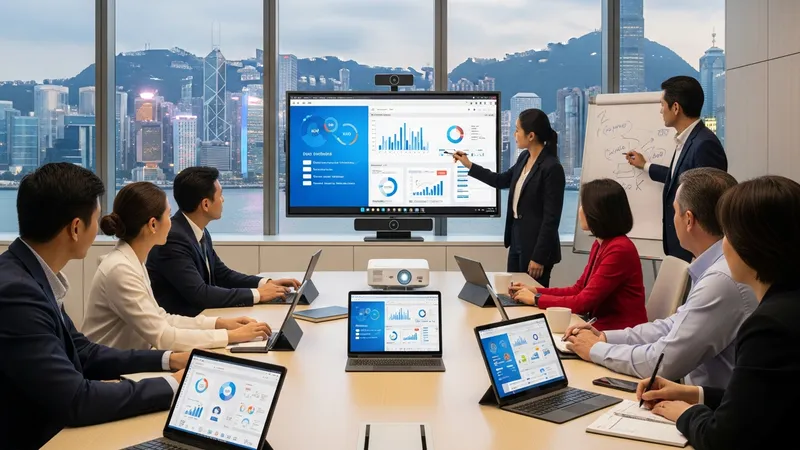
Collaborative spaces often adopt advanced technology to enable fluid interaction among participants. Wireless presentation screens, interactive whiteboards, and portable conferencing solutions are common features in Hong Kong’s co-working facilities and forward-thinking corporate offices. Cloud-based collaboration tools may be integrated with meeting hardware to facilitate document sharing and real-time annotations. This technological flexibility can support brainstorm sessions as well as hybrid meetings involving remote participants.
Security considerations are relevant when integrating technology into meeting environments. Traditional rooms may offer enhanced data privacy due to controlled access and static devices. Collaborative spaces, relying on shared or cloud-connected devices, may require additional safeguards such as secure user authentication or encrypted wireless networks, especially when sensitive organizational data is discussed.
The cost of technology integration in Hong Kong can vary widely. Traditional AV installations may require significant upfront investment but tend to have predictable operational costs. Collaborative space equipment, including wireless connectivity and digital collaboration platforms, may be leased or procured on a subscription basis. Organizations often consider both direct expenditures and long-term adaptability when selecting meeting room technology for their Hong Kong offices.