
Meeting Rooms: Key Differences Between Traditional And Collaborative Spaces

Layout Design and Space Utilization Differences
Layout design is a fundamental aspect distinguishing traditional and collaborative meeting spaces in Hong Kong. Traditional rooms tend to rely on fixed tables and seating configurations, often tailored for presentations or board meetings. Such setups may maximize privacy and are frequently selected for discussions requiring confidentiality or a defined speaking order. Collaborative spaces, in contrast, prioritize adaptable layouts. These may feature mobile furniture, writable walls, and open zones that can be rearranged to suit workshop sessions, project discussions, or informal gatherings. Flexibility in design can allow organizations to adjust their use of space according to evolving needs or meeting sizes.
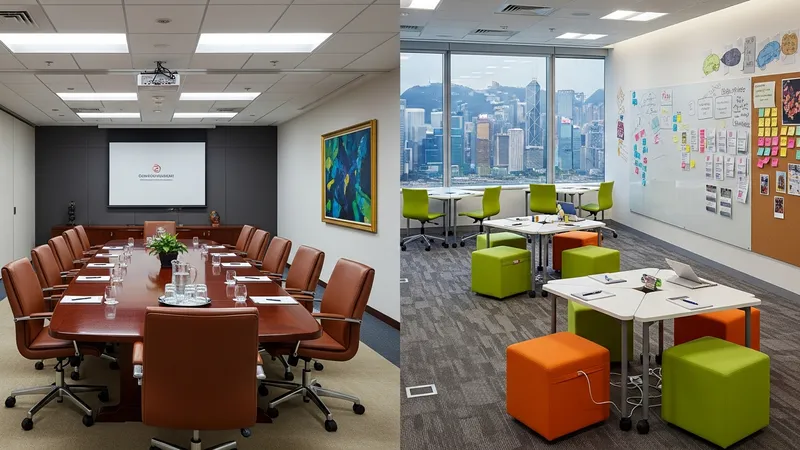
Space utilization is another key difference in the Hong Kong context. Conventional meeting rooms often operate as dedicated environments with limited scheduling flexibility, used predominantly for prearranged or formal sessions. Collaborative spaces, on the other hand, are frequently located within shared office floors and may be reserved or accessed for spontaneous interaction among staff or project teams. This multipurpose approach can help optimize office real estate, especially in central Hong Kong where space constraints are notable and efficient allocation is important for cost control.
Privacy and acoustics are typically managed differently between the two formats. Traditional rooms are usually designed with enclosed walls and soundproofing measures to support uninterrupted, confidential communication. Collaborative areas may use semi-open partitions and sound-absorbing materials to balance openness with a reasonable degree of auditory separation, supporting both group work and individual concentration when needed. The physical environment can influence participants’ perception of privacy and willingness to contribute.
Accessibility within each meeting environment differs as well. Traditional rooms are sometimes located in less trafficked areas to ensure privacy for executive-level gatherings. In contrast, collaborative zones are generally placed in central or high-traffic areas of the workplace to encourage frequent use by various teams. This positioning can support a culture of open communication and cross-department collaboration, both of which are emphasized in many contemporary Hong Kong organizations.