
Medical Surgical Equipment: Essential Instruments For Operating Rooms And Procedural Care

Performance and functionality of Medical Surgical Equipment
Performance parameters for surgical instruments typically include precision, reliability, and repeatability of function. Precision relates to the instrument’s geometry and manufacturing tolerances and may affect how finely a surgeon can control tissue manipulation. Reliability covers consistent mechanical behavior over time, such as hinge action in scissors or locking strength in clamps. Repeatability refers to the ability to deliver the same functional outcome across multiple uses or across different units of the same model. Measurement and inspection protocols often form part of quality assurance for reusable instruments.
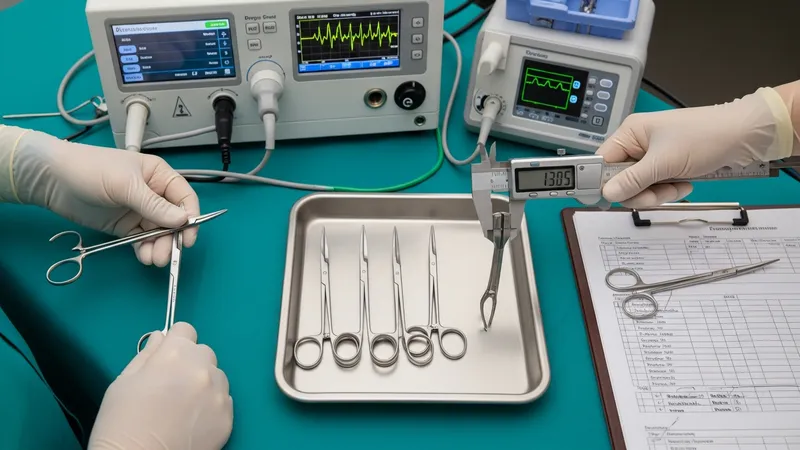
Powered devices introduce additional functional considerations such as energy output stability, compatibility with different electrodes or tips, and user-control ergonomics. Energy-delivering systems may provide settings for varying tissue effects; users typically adjust these settings while monitoring tissue response. Manufacturers and clinical teams often document recommended ranges and safety checks, but procedural teams remain responsible for verifying settings and maintaining logs as part of device management practices.
Precision instruments may require specific maintenance to preserve performance. Sharpening, alignment, and spring tension adjustments are common maintenance tasks for cutting and grasping tools. Reusable instruments that undergo repeated sterilization cycles can experience wear that alters functional characteristics over time. Regular inspection, repair, or replacement criteria are part of lifecycle management programs aimed at preserving instrument performance and reducing intraoperative variability.
Functional testing and validation are often applied prior to clinical use for complex or reusable items. Visual inspection, mechanical operation checks, and compatibility verifications with ancillary systems typically precede instrument tray assembly. Facilities may maintain checklists or standard operating procedures to ensure instruments meet functional expectations, and these protocols can support consistent performance during procedures.