
Medical Surgical Equipment: Essential Instruments For Operating Rooms And Procedural Care

Safety and maintenance considerations for Medical Surgical Equipment
Safety practices for surgical instruments address both infection control and mechanical integrity. Cleaning and decontamination steps remove biological material prior to sterilization, and validated sterilization cycles are chosen according to instrument materials and design. Mechanical safety checks—such as confirming that locking mechanisms engage properly and that cutting edges are free of chips—are commonly documented in maintenance procedures. These measures may reduce the likelihood of instrument-related complications and support predictable intraoperative behavior.
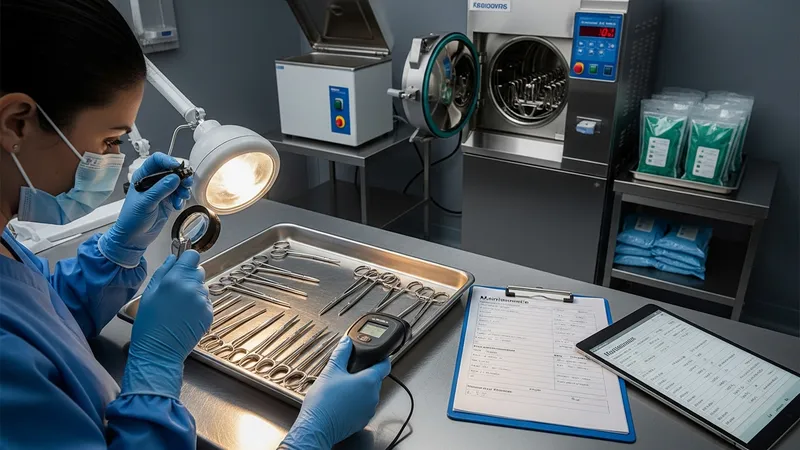
Tracking and traceability systems are increasingly used to monitor reusable instrument sets. Simple inventory tags or barcodes, and more advanced RFID systems, may help record sterilization cycles, repairs, and usage counts. Facilities often use such records to inform decisions about repair versus replacement and to ensure that instruments reaching end-of-life are retired before performance degrades. Traceability can also support incident investigations should a device-related issue arise.
Repair policies and access to qualified instrument technicians influence maintenance timelines and costs. Many institutions maintain agreements with specialized repair services or in-house biomedical teams for sharpening, refurbishment, and mechanical repair. Scheduling for routine maintenance and inspection is typically balanced against procedural demand to avoid shortages. Clear criteria for when an instrument should be removed from service often form part of governance to protect patient safety and staff confidence in instrument function.
User training contributes to safe instrument handling and longevity. Familiarity with correct assembly, disassembly, and handling techniques may reduce inadvertent damage. Training programs often include demonstrations of proper cleaning pathways, inspection points, and storage practices. Ongoing competency refreshers can help teams recognize early signs of wear and follow facility protocols for reporting and removing potentially compromised instruments.