
Manufacturing Productivity: Strategies For Process Optimization

Workflow Redesign and Manufacturing Execution Systems (MES)
Workflow redesign in Mexican manufacturing generally involves re-examining production routes, resource allocations, and process sequencing. This approach may be supported by digital systems such as Manufacturing Execution Systems (MES), which track operations at each stage. MES platforms provide real-time dashboards for managers, helping to coordinate material flows, monitor machine status, and ensure alignment with production goals.
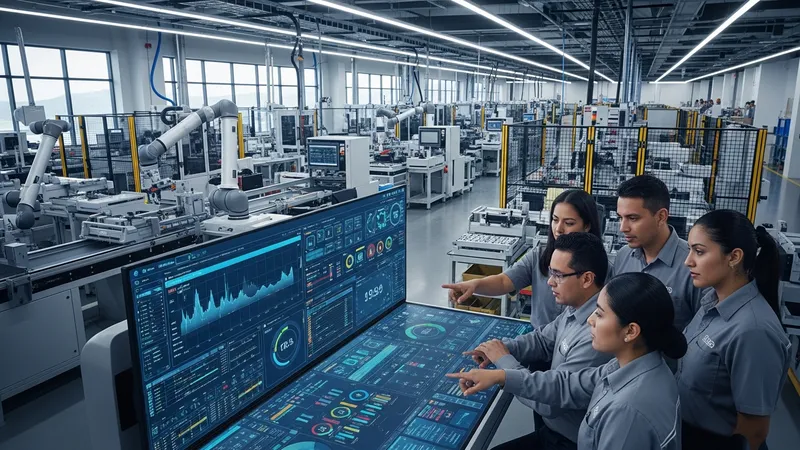
The adoption of MES in Mexico can be influenced by facility scale and IT infrastructure. Initial configuration may start at $180,000 MXN for smaller lines and rise above $2,000,000 MXN for larger, multi-line plants. Integration planning typically addresses data security, interoperability with existing enterprise systems, and phased training of staff to enable smooth transitions.
With MES, Mexican plants can gain access to historical production metrics and identify areas for process improvement. For example, downtime analysis may expose issues with scheduling or maintenance, prompting targeted interventions. Over time, workflow redesign and MES may contribute to improved responsiveness, reduced lead times, and greater transparency throughout supply chains.
MES and workflow redesign efforts often interact with other optimization strategies such as lean and automation. Well-designed workflows can set a strong foundation for introducing new automation technologies, while process visibility enables ongoing adjustment and continuous improvement. Many organizations in Mexico choose to sequence such initiatives for manageable implementation and sustainable productivity gains.