
Manufacturing Productivity: Strategies For Process Optimization

Cost Considerations and Implementation Challenges in Mexico
The financial investment for implementing process optimization strategies in Mexico varies based on several factors including facility size, technology scope, and level of existing modernization. Costs may encompass not only direct purchases such as robots or MES licenses but also expenditure on training, change management, and infrastructure upgrades. Manufacturers typically conduct return-on-investment (ROI) analyses to determine cost justification timelines and potential impacts on profitability.
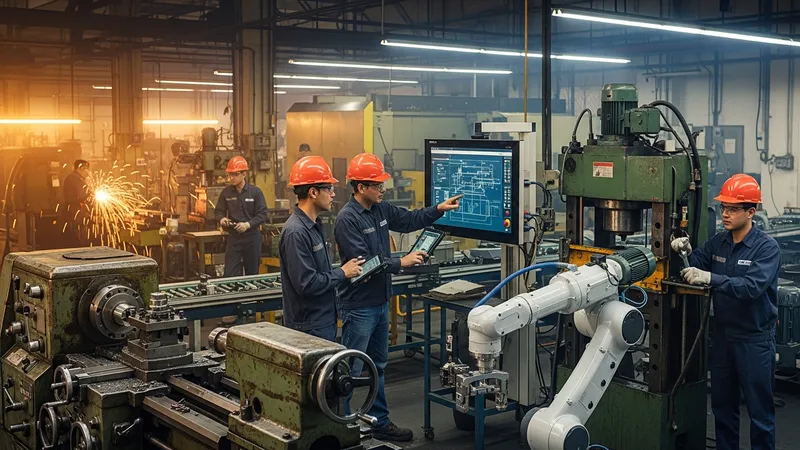
Implementation challenges often include integrating new systems with legacy equipment. Many plants in Mexico continue to operate older machinery, which may require customized interfaces or data translation layers when connecting automation or MES. Additionally, developing internal expertise—or relying on local system integrators—forms a critical step in ensuring the reliability and long-term value of these deployments.
Human factors are also significant in the transformation process. Staff may require significant upskilling, especially in the use of advanced control systems or production analytics. Organizations typically address these challenges through staggered training programs, pilot projects, and clear communication about the goals and expectations for optimization efforts.
Finally, ongoing support and periodic updates to automation and MES platforms are essential in sustaining productivity improvements. Mexican manufacturers often schedule regular reviews of process performance metrics and seek feedback from operators to identify further areas for optimization. Balancing cost control with continuous enhancement may be an ongoing priority for plant managers.