
Manufacturing Productivity: Strategies For Process Optimization

Lean Methodologies and their Impact on Manufacturing Productivity
Lean manufacturing is a structured approach widely practiced in Mexico to improve factory productivity by eliminating waste and enabling continuous improvement. Techniques such as value stream mapping and standardized work instructions seek to highlight inefficiencies, reveal hidden inventory, and clarify process steps. Many companies utilize professional training programs or consulting support to advance knowledge and foster a culture of systematic problem-solving among employees.
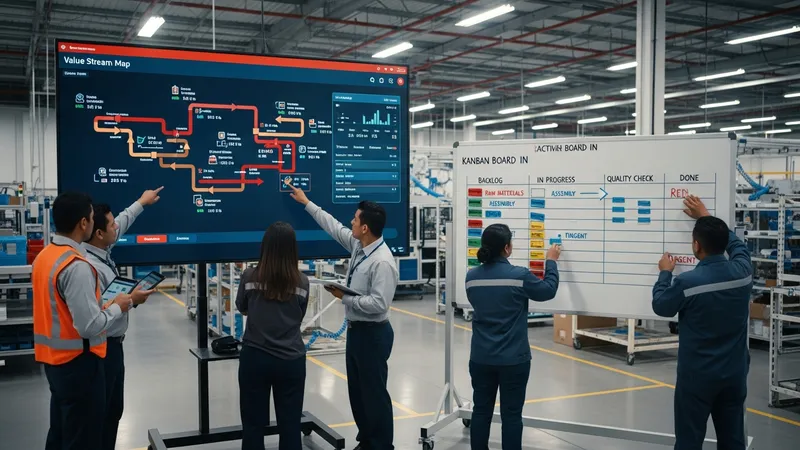
Kanban and pull-driven production scheduling is also common in Mexican facilities seeking to minimize excess work-in-progress (WIP) and align output with actual demand. These systems often rely on physical or digital signals that dictate when new batches are started, thereby helping control inventory levels and reduce overproduction. Practical kanban implementation can require initial investments in workflow design and staff education but may yield predictable savings in material costs and storage.
The 5S technique—sort, set in order, shine, standardize, and sustain—is another element adopted to organize work areas and maintain functional equipment layouts. This methodology typically contributes to safety, faster changeovers, and improved employee morale. In Mexico, companies report that 5S activities often accompany broader lean transformations and may form the basis of regular audits and improvement cycles.
Lean programs in Mexican manufacturing can complement technology adoption by providing a clear process framework for automation or MES systems. For instance, clear process flows and standardized procedures often support smoother technology integration and easier troubleshooting, ultimately contributing to a more flexible and productive factory environment.