
Manufacturing ERP Software: Key Features And Functional Capabilities

Integration and data flow in Manufacturing ERP Software: Key Features and Functional Capabilities
Integration capabilities determine how manufacturing ERP exchanges data with other systems such as CAD/CAM, PLM, MES, warehouse management, and e-invoicing services. Common integration patterns use REST APIs, file-based exchanges, or middleware platforms to synchronise bills of materials, routing changes, and inventory movements. In Italy, vendors frequently highlight connectors to local logistics partners and public services; practical integration work may focus on ensuring consistent part numbering, unit-of-measure conversions, and reliable supplier master data.
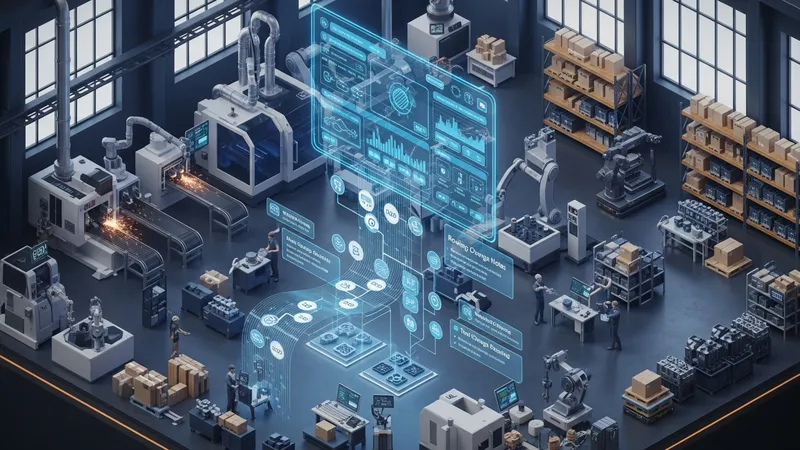
Data flow design should consider master data governance: consistent material masters, supplier records, and routing templates reduce errors across modules. ERP implementations in Italy often establish a single source of truth for item definitions and revision control to support traceability and customs documentation when exporting. Periodic reconciliation processes between production reporting and financial ledgers may be instituted to maintain accurate cost allocations and inventory valuation.
Real-time or near-real-time data capture from the shop floor can inform scheduling and exception handling. Common techniques include direct machine telemetry, operator input terminals, and mobile scanning workflows. Italian SMEs may implement phased integrations—starting with core MRP and inventory synchronisation and later expanding to machine-level telemetry—so the initial data flow architecture typically balances immediate needs with longer-term digitalisation plans.
Security and data protection are integral to integration planning, especially when connecting cloud-hosted ERP instances with local on-premise systems. In Italy, organisations may consider data residency preferences, role-based access controls, and encrypted transport channels for supplier and customer exchanges. Clear logging and audit trails are also practical for regulatory reviews and internal controls related to manufacturing transactions.