
Lead Generation Services: Understanding Core Strategies And Processes

Legal, regulatory, and privacy considerations in the United States
United States lead operations must consider federal statutes and agency guidance that affect how contacts are acquired and used. The Telephone Consumer Protection Act (TCPA) and Federal Communications Commission (FCC) guidance influence consent requirements for automated calls and texts; official information is available from the FCC. Email marketing is governed by the CAN-SPAM Act with enforcement and guidance from the Federal Trade Commission (FTC); see the FTC’s CAN-SPAM compliance page for details. These federal frameworks interact with state-level privacy laws that can add obligations for data handling and disclosures.
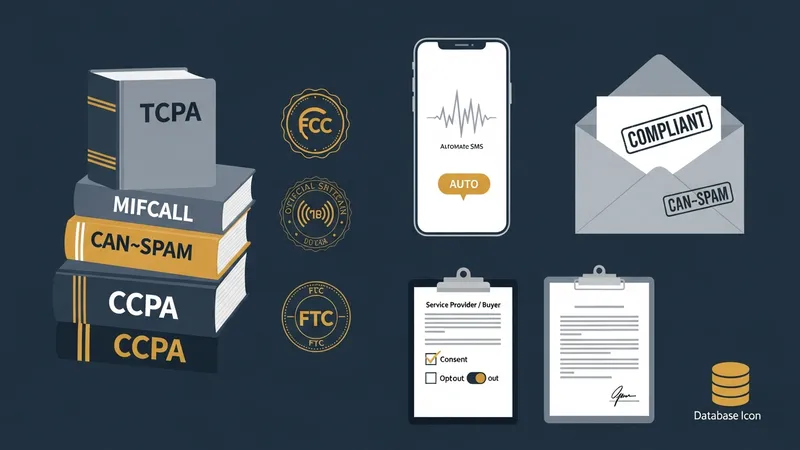
State privacy laws, such as the California Consumer Privacy Act (CCPA), can affect how consumer lead data is collected, shared, and deleted in the United States. Organizations that process personal data of California residents may need to consider disclosure obligations and opt-out mechanisms; the California Attorney General’s office provides official resources on the statute. Service providers and buyers commonly document responsibilities in contracts to clarify who holds obligations for consumer requests and data subject rights.
Recordkeeping and audit readiness are practical compliance considerations. Maintaining timestamped logs of consent, sources of data, and data processing purposes helps teams respond to inquiries or audits. In addition, many U.S. organizations include verification procedures for purchased or third-party lists to reduce exposure to stale or improperly sourced contact data. Legal teams may also request sample data flows and retention schedules during vendor evaluations to assess alignment with institutional policies.
Risk mitigation practices include limiting sensitive data capture, applying encryption for stored contact records, and implementing role-based access controls within CRM systems. While these measures do not eliminate regulatory obligations, they can reduce exposure and facilitate responses to access or deletion requests. Teams often review their vendor contracts and data protection addenda periodically to reflect evolving regulatory expectations and to document risk allocation.