
Lead Generation Services: Understanding Core Strategies And Processes

Measuring performance and cost factors for lead generation services
Key performance indicators for lead programs commonly include lead volume, conversion rate to qualified status, cost per lead (CPL), and downstream conversion into meetings, opportunities, or revenue. In United States markets, B2B funnels frequently show longer sales cycles and lower raw lead volumes with higher per-lead handling costs, while consumer campaigns may deliver larger volumes at lower unit costs. Organizations often track multi-touch attribution to understand which channels contribute to eventual conversions rather than relying solely on first-touch metrics.
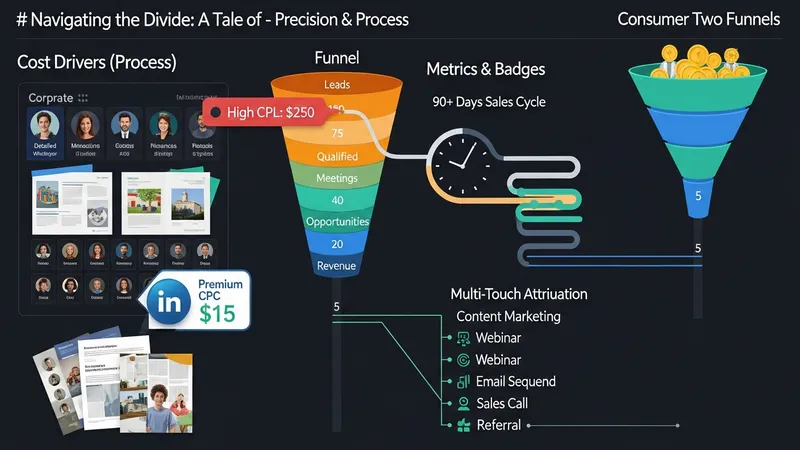
Cost drivers in U.S. lead programs include audience targeting granularity, creative development, channel bidding dynamics, and data acquisition or enrichment fees. Narrow professional-targeting on platforms like LinkedIn may carry higher advertising cost per click or lead compared with broader social placements, while specialized list rentals or third-party intent data can add fixed fees. Seasonality and competitive bidding for keywords or placements also affect short-term cost fluctuations.
Analytical approaches used to evaluate providers often combine short-term efficiency metrics with longer-term quality indicators. For example, teams may compare CPL alongside conversion rates into sales-accepted leads or revenue per lead over a 90–180 day period. This multi-metric view can surface trade-offs where lower-cost leads convert poorly and higher-cost leads produce better downstream outcomes, allowing decision-makers to prioritize channels that align with business objectives rather than unit cost alone.
Operational considerations for measurement include ensuring consistent definitions across systems and maintaining closed-loop reporting between marketing and sales platforms. Automated tagging, URL parameters, and synchronized status updates from CRM to reporting tools help attribute outcomes and calculate return metrics. Over time, iterative testing of creative, targeting, and funnel steps—measured against stable KPIs—may refine program efficiency while keeping an emphasis on data quality and legal compliance in United States operations.