
Lab Supplies: Key Considerations For Selecting Materials And Instruments

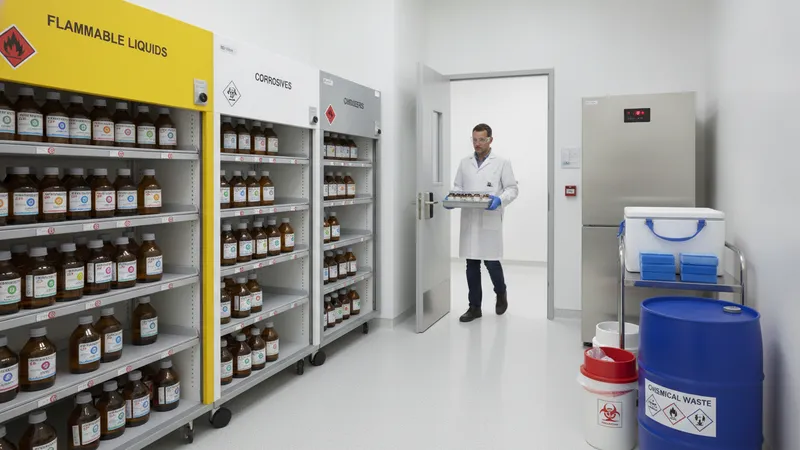
Storage, handling, and safety aspects of laboratory supplies
Proper storage reduces hazards and preserves the integrity of supplies. Segregating corrosives, flammables, and oxidizers in compatible cabinets, applying secondary containment for liquid storage, and controlling access to high-hazard areas are common practices. For biological materials, cold-chain management and secure freezers with temperature alarms may be necessary. Clear labeling that includes hazard information, storage temperature, and lot numbers supports safe handling and traceability across users and shifts.
Handling practices frequently emphasize spill prevention and containment. For instance, containers with secure caps and secondary trays may be used when transporting liquids between work areas. Chemical compatibility of cleaning agents with container materials is often reviewed to avoid damaging storage vessels. Additionally, waste segregation for sharps, biohazardous materials, and hazardous chemical waste follows local regulations and institutional policies to reduce exposure and environmental impact.
PPE selection aligns with the hazards presented by tasks and materials. Nitrile gloves are commonly used for general chemical handling, while specific solvents may require thicker or specialty materials; eye protection standards vary by risk of splashes or flying particles. PPE use is typically accompanied by training on correct donning and doffing, inspection for integrity, and disposal or laundering protocols. These elements function within broader engineering controls and administrative procedures to manage risk.
Inventory management and stock rotation are practical safety measures as well as quality measures. First‑in/first‑out approaches, visible expiry tracking, and periodic audits can reduce the use of degraded consumables and decrease the likelihood of conducting procedures with compromised materials. Many labs adopt inventory software or periodic manual checks to ensure items are stored under recommended conditions and to identify when replacements or maintenance are needed.