
Lab Supplies: Key Considerations For Selecting Materials And Instruments

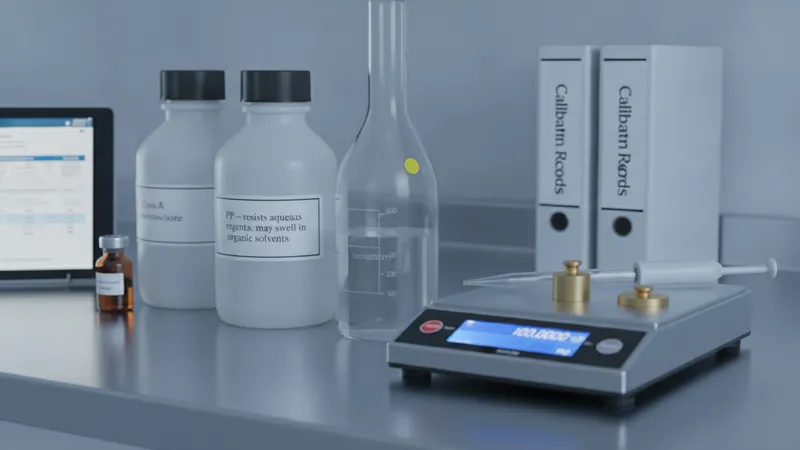
Compatibility, accuracy, and measurement considerations for laboratory supplies
Compatibility encompasses chemical, thermal, and mechanical interactions between materials and substances handled. For example, polypropylene commonly resists many aqueous reagents but may swell in certain organic solvents; borosilicate glass tolerates thermal cycling but can react with strong alkalis over time. Evaluating compatibility often involves consulting manufacturer data, material safety data sheets (MSDS), and institutional references. This evaluation can determine acceptable cleaning agents and identify conditions where single-use components are preferable to avoid degradation or contamination.
Measurement accuracy and precision requirements guide instrument selection and calibration routines. Volumetric flasks and Class A pipettes provide specified tolerances that are suitable for certain analytical methods, while lower-tolerance items may be sufficient for gross measurements. Calibration intervals are typically based on usage frequency, manufacturer recommendations, and quality management policies. Routine verification procedures may include weighing checks for pipettes or use of certified reference standards for balances and meters to maintain traceability.
Traceability and documentation practices are often integral to compliance with laboratory quality systems. Labeling conventions, lot tracking for consumables, and records of calibration or maintenance contribute to reproducibility. Some labs implement barcode or RFID systems to track inventory and link items to analytical results. These systems can reduce human error in chain-of-custody and help identify expired or recalled batches of consumables when issues are detected.
Environmental conditions can affect measurement performance: temperature, humidity, and vibration may influence balances and sensitive instruments. When high precision is required, instrument placement and environmental controls are considered part of the supply planning process. Practical steps often include using temperature‑stable benches for balances, vibration-damping mounts for microscopes, and controlled storage for standards and reference materials. These considerations may be included in standard operating procedures rather than treated as ad hoc adjustments.