
Lab Supplies: Key Considerations For Selecting Materials And Instruments

Durability, maintenance, and procurement considerations for laboratory supplies
Durability influences lifecycle costs and maintenance planning for reusable items. Materials such as stainless steel and certain plastics are chosen for corrosion resistance and ease of cleaning, while precision instruments may require preventive maintenance contracts. Life expectancy can depend on frequency of use, exposure to harsh chemicals, and cleaning methods. Institutions often weigh the higher upfront cost of durable equipment against the cumulative expense and waste associated with frequent disposable replacements.
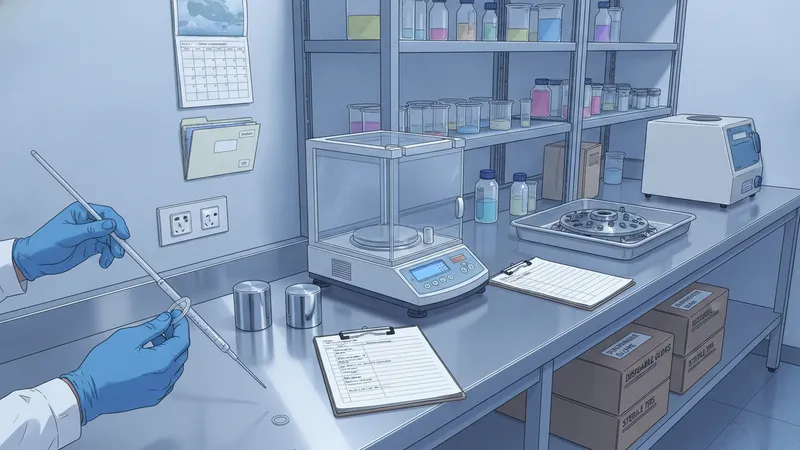
Maintenance practices typically include routine cleaning, inspection for wear, calibration, and replacement of consumable wear parts. For example, pipette seals, balance calibration weights, and centrifuge rotor inspections are recurring tasks that may be scheduled monthly, quarterly, or annually depending on use and regulatory requirements. Documentation of these activities contributes to quality assurance and may be required for accreditation or audit processes.
Procurement considerations often encompass specification clarity, supplier reliability, and compatibility with existing infrastructure. Detailed specifications for dimensions, materials, and performance tolerances reduce the risk of receiving items that do not fit workflows. Some organizations standardize on a limited set of approved items to simplify stocking and maintenance, while others allow broader selection for specialized needs. Tendering and vendor evaluation processes may incorporate lead times, warranty terms, and availability of technical support as part of procurement decisions.
Waste management and environmental impacts are increasingly considered during procurement and lifecycle planning. Choosing materials that allow for safe disposal, recycling where available, or reduced hazardous waste generation can align laboratory operations with environmental policies. End-of-life planning for durable instruments, including decontamination and responsible disposal or repurposing, is often part of institutional sustainability and compliance programs. These elements are framed as considerations rather than prescriptive actions.