
Industrial Machines: Key Roles In Modern Manufacturing Processes

Operational Considerations and Safety Protocols for Industrial Machines
The successful operation of industrial machines requires careful attention to safety, regulatory compliance, and routine maintenance. Facilities often establish protocols aligned with national and international safety standards, including the use of physical barriers, emergency stops, and regular machine audits. Incorporating safety sensors and lockout systems helps protect employees from unintentional machinery activation.
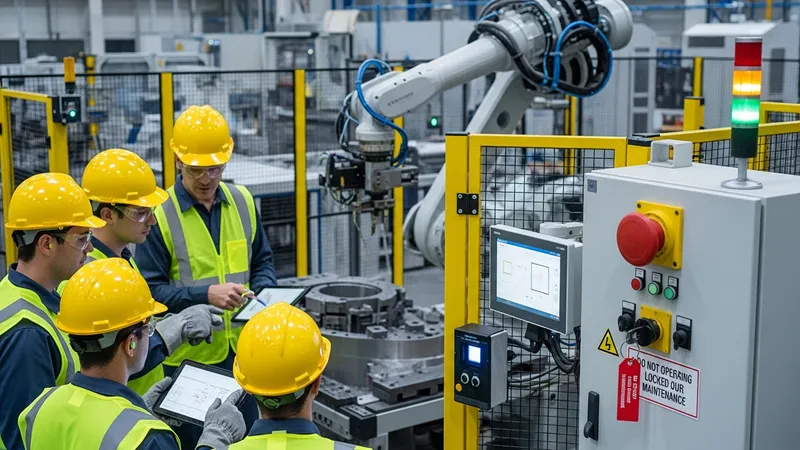
Training for personnel working with industrial machines is typically a persistent priority. Many organizations design comprehensive modules covering machine operation, emergency response procedures, and preventive maintenance schedules. These initiatives aim to reduce the likelihood of equipment malfunction or workplace injury and to support consistent operations.
Maintenance strategies may include scheduled inspections, lubrication, and periodic replacement of critical components. Predictive maintenance techniques—such as condition monitoring via sensors—are being increasingly adopted, as they enable early detection of wear and potential system faults. This approach could lead to minimized downtime and extended equipment lifespans.
Regulatory considerations also play a role, requiring manufacturers to maintain documentation and certifications for machine operation. Regular audits may be conducted by industry authorities to verify adherence to safety and environmental standards. Compliance with these regulations is regarded as essential for maintaining operational licenses and minimizing legal risks.