
Industrial Machines: Key Roles In Modern Manufacturing Processes

Trends and Future Prospects for Industrial Machines in Manufacturing
Industrial machines continue to evolve, incorporating smart technologies that may offer greater connectivity and adaptability. Developments in artificial intelligence and machine learning are enabling automated systems to optimize processes by analyzing real-time data. This shift toward “smart” manufacturing is often termed Industry 4.0 and is characterized by the integration of digital platforms and communication networks across factory environments.
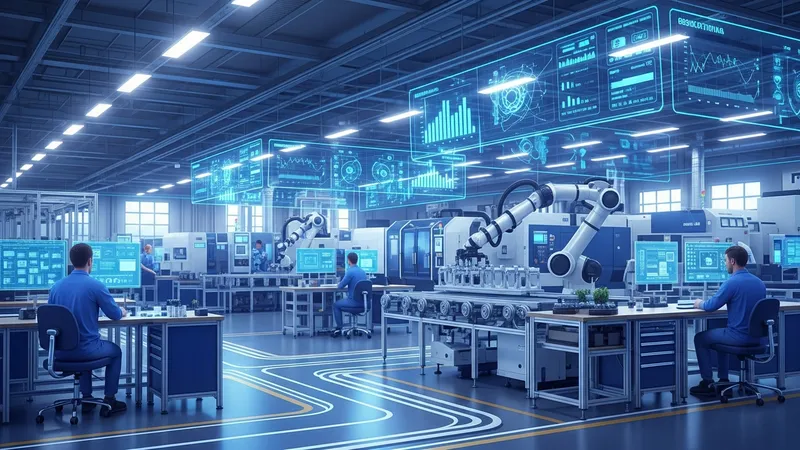
Collaborative robots, or cobots, are being introduced to perform tasks alongside human workers while supporting flexibility in production lines. With built-in safety features, these robots are suited for environments where workflows may change frequently or require human oversight. Their adjustable programming could make them suitable for short production runs or diverse product lines.
Sustainable manufacturing is another area shaping future use of industrial machines. There is increasing interest in equipment that supports energy efficiency, resource optimization, and lifecycle tracking of manufactured goods. Companies may explore options for machines that permit real-time monitoring of energy usage or easily adapt to renewable energy integration.
Despite ongoing innovations, successful adoption of new industrial machinery technologies depends on workforce readiness, supportive infrastructure, and continuous process evaluation. Anticipated benefits such as increased productivity and flexibility are typically realized when investments are matched by adequate training and process reengineering. As developments continue, manufacturing facilities are likely to consider both operational and strategic factors in their decision-making.