
Grocery Store Supply Chains: How Logistics Shape Product Availability And Efficiency

Cold Chain Logistics and Temperature-Sensitive Product Flow
Cold chain logistics are crucial in transporting temperature-sensitive products within grocery supply chains. The safe handling of dairy, meat, frozen goods, and fresh produce requires maintaining specific temperature ranges throughout transportation and storage. Any deviations can result in compromised food safety or accelerated spoilage. Specialized equipment such as refrigerated trucks, insulated containers, and temperature-monitoring technology is typically used to meet these standards, with substantial cost implications for both transport providers and retailers.
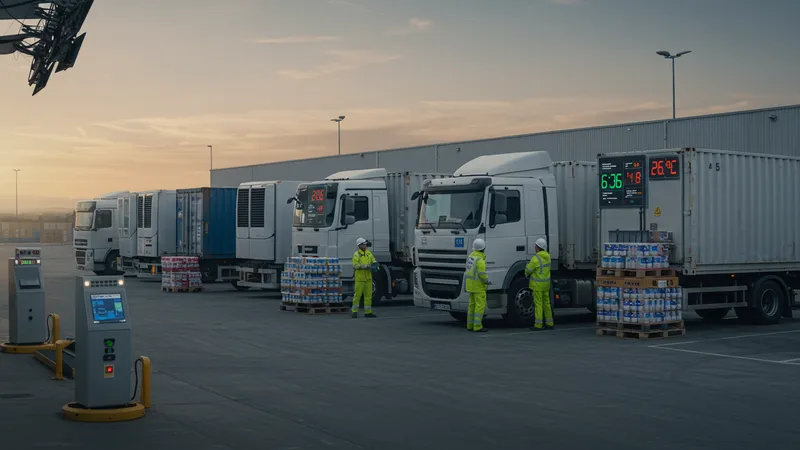
Maintaining continuity in the cold chain may require close coordination between suppliers, logistics companies, and store managers. Goods are often checked at multiple control points using digital monitors that log temperature data. In some cases, regulatory requirements set minimum standards for specific categories of food products, and compliance is monitored through audits or inspections. The need for temperature consistency adds logistical complexity, particularly in regions with long transportation distances or variable climate conditions.
Energy usage is another important factor in cold chain systems. Refrigeration units consume significant electricity, which may contribute to overall operational costs and the environmental footprint of grocery supply chains. Solutions to optimize energy consumption can include route planning to speed up deliveries, energy-efficient equipment, and real-time monitoring tools that alert staff to any temperature deviations, allowing timely corrective action.
Emerging technologies such as blockchain and advanced data analytics are starting to support greater transparency and traceability within cold chains. By capturing detailed records from farm to shelf, these systems can improve accountability and allow rapid response to food safety incidents. The goal is to minimize disruption, maintain product quality, and meet consumer expectations for freshness and safety.