
Grocery Store Supply Chains: How Logistics Shape Product Availability And Efficiency

Warehouse Management and Inventory in Grocery Store Supply Chains
Warehouse management plays a key role in the performance of grocery store supply chains. Advanced systems for inventory control allow retailers to track products in real time and minimize losses. Many grocery supply chains utilize WMS platforms to automate processes such as stock rotation, order picking, and replenishment scheduling. This approach can improve response to fluctuating demand and support efficient product distribution, especially in larger networks with multiple store locations or regional warehouses.
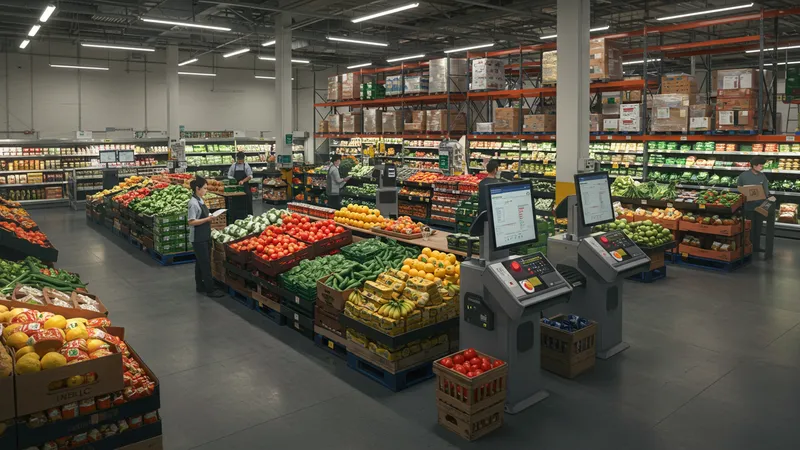
Effective inventory management often involves balancing product freshness with the need to avoid stockouts or overstocking. For perishable goods, precise inventory tracking can help reduce waste by ensuring items are shipped and sold before their expiration dates. Non-perishable products are typically managed in bulk using automated reordering algorithms to maintain optimal stock levels. Integration with point-of-sale data further enables supply chains to react dynamically to real-time sales trends, reducing delays in restocking high-demand items.
Warehouse efficiency may also be boosted by automation, such as conveyor systems and robotics for order fulfillment. These investments can help reduce errors and labor requirements, particularly in high-throughput facilities. Some grocers partner with third-party logistics providers for warehousing, benefiting from specialized expertise and shared infrastructure. This collaboration can lower operational costs but may introduce dependencies regarding service quality and lead times.
Data security and system reliability are additional considerations in warehouse and inventory management. Outages or interruptions may result in delayed shipments and affect product availability in stores. Industry standards and best practices for data handling—such as regular system updates and access controls—are often followed to protect sensitive information and ensure efficient supply chain operations.