
Grocery Store Supply Chains: How Logistics Shape Product Availability And Efficiency

Direct Store Delivery and Its Impact on Product Availability
Direct store delivery (DSD) is widely used in grocery supply chains for specific product categories, such as baked goods, snack items, and beverages, that require frequent restocking or delicate handling. This method involves suppliers delivering products directly to individual stores rather than through centralized warehouses. DSD may reduce lead times and ensure adequate shelf replenishment, which is particularly important for high-turnover items or promotional products.
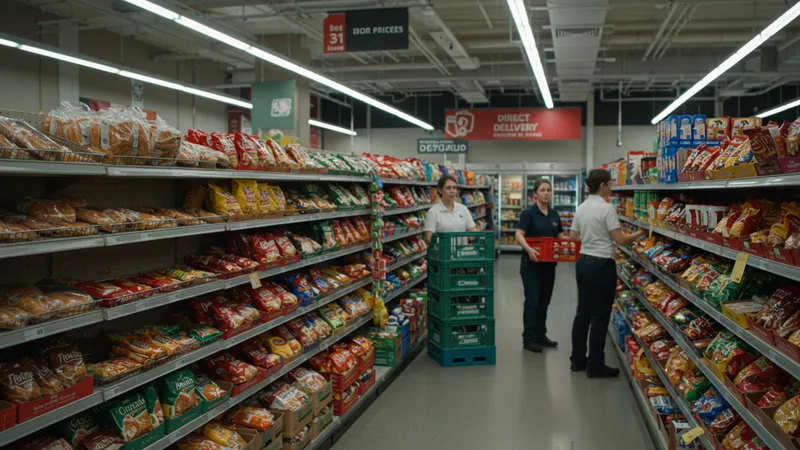
The choice to utilize DSD typically depends on several variables, including product shelf life, demand predictability, and supplier capabilities. For certain goods, DSD can minimize the risk of spoilage and stock deficiency, as suppliers maintain closer oversight of store-level inventory. However, it may also result in increased transportation coordination and cost, especially for stores located outside major delivery routes or in areas with lower sales volumes.
DSD can impact store operations by shifting some responsibility for merchandising and stock management to suppliers. This may free up store staff for other tasks but can introduce additional complexity in product tracking and invoice reconciliation. Retailers often negotiate specific terms with DSD partners to clarify roles, responsibilities, and performance expectations, aiming for a streamlined flow of goods while maintaining accountability.
Many grocery retailers adopt a hybrid strategy, using DSD for selected fast-moving categories and centralized distribution for others. Evaluating the relative efficiency of DSD versus warehouse-based delivery is an ongoing process, influenced by sales data, supply disruptions, and seasonal demand fluctuations. Such flexibility may help stores adapt to changing market conditions while supporting consistent product availability.