
Foundation Repair: Preventative Measures To Protect Home Stability

Soil Grading Adjustments for Preventative Foundation Care
Adjusting the grade of soil around a structure is a straightforward solution to managing water movement. Sloping the ground surface so that water naturally flows away from a building reduces the opportunity for pooling near foundation walls. The degree of slope typically follows guidelines set by building standards or recognized engineering practices, which recommend certain minimum gradients to direct runoff efficiently.
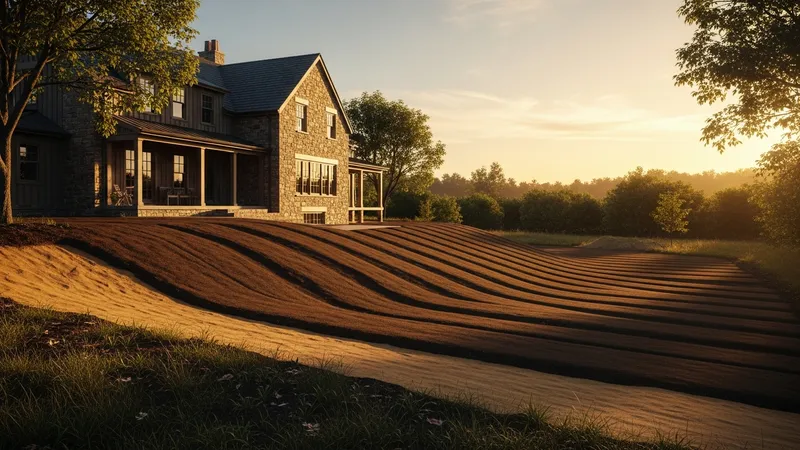
Soil type plays a significant role in grading strategy. Sandy soils often allow fast drainage, while clay-rich soils retain moisture and are prone to expansion and contraction. These characteristics may necessitate more precise grading or the selection of fill materials that improve water movement. Erosion control is also considered to prevent soil from washing away or exposing foundation elements over time.
Landscape features such as garden beds, patios, or walkways can alter natural drainage patterns, sometimes creating zones of increased moisture against the foundation. Incorporating proper edging, surface treatments, or even porous paving materials may help integrate these features within an effective grading strategy. Attention to landscaping can therefore be an important secondary consideration in overall foundation care.
Upkeep is a continuing aspect of soil grading. Seasonal changes, property use, and vegetation growth can alter the terrain and its effectiveness. Inspections following heavy rain or after landscaping modifications help in maintaining protection. Regular observation and minor adjustments are generally more cost-effective than large-scale regrading in response to shifts or erosion that may have already affected the foundation.