
Foundation Repair: Preventative Measures To Protect Home Stability

Routine Inspections and Early Detection in Foundation Maintenance
Scheduled inspections are an integral part of foundation maintenance. By examining for symptoms such as hairline cracks, sloping floors, or jammed doors and windows, property owners can detect the earliest signs of movement. Specialist inspections may use technical equipment—such as laser levels or moisture meters—to supplement visual assessments, providing more detailed records of subtle changes over time.
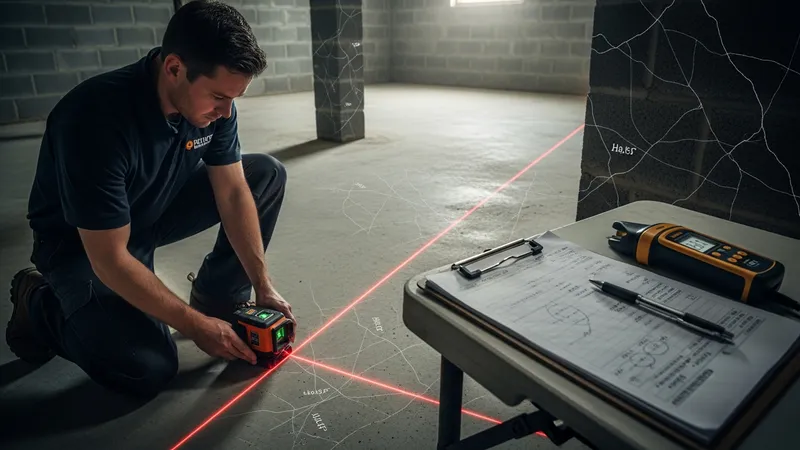
Documentation is an important tool in inspections. By keeping records of cracks or moisture patterns over multiple inspection cycles, it becomes possible to identify trends that may not be obvious in a single visit. This longitudinal view allows for more informed decisions about when to intervene with targeted repairs or maintenance actions, helping to minimize immediate disruption and control costs.
Professional inspectors may also look for secondary indicators, such as changes in vegetation, efflorescence (salt deposits), or signs of pest activity, which can reflect larger shifts in soil or moisture conditions. Thorough evaluations typically cover both the interior and exterior of the building, including crawlspaces or basements where applicable.
Early detection is valued because it creates opportunities for minimally invasive solutions. Addressing a crack or slight settlement before it escalates can help avoid complex repairs in the future. These practices, while not eliminating risk, contribute greatly to sustained building performance and homeowner peace of mind.