
Foundation Repair: Preventative Measures To Protect Home Stability

Drainage Considerations in Foundation Stability
Drainage systems play a prominent role in managing water exposure that can otherwise stress foundation materials. Installing perforated pipes or gravel-filled trenches, such as those used in French drains, may help collect excess groundwater. Properly designed gutters and downspouts also serve to move rainwater efficiently away from the edges of a building, reducing periods of saturated soil that increase the risk of foundation problems.
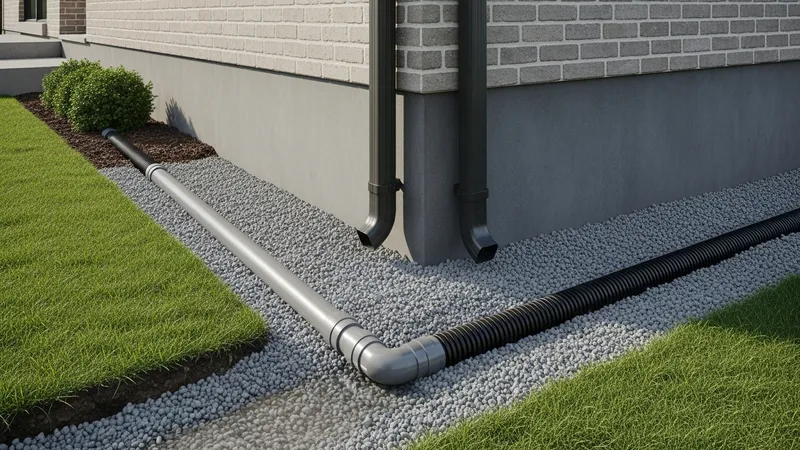
Materials used in drainage installations may range from flexible corrugated piping to rigid PVC or concrete, each with differing maintenance needs and service lifespans. Regular maintenance—including clearing debris and sediment from gutters and drains—helps these systems function as intended. Neglecting drainage systems may allow water buildup, which can drive moisture beneath slabs or footings, potentially leading to differential movement or cracking.
Waterproof membranes and drainage boards are sometimes installed on exterior foundation walls in new construction or major renovations. These barriers may limit the lateral movement of moisture through concrete and masonry. While initial installation costs can be significant, such approaches are typically considered part of comprehensive foundation system design in areas with persistent moisture exposures or high water tables.
In some settings, grading modifications can complement engineered drainage solutions. Creating a smooth, gentle slope away from the structure allows gravity to channel surface water further afield. This often involves adding soil to low-lying areas and compacting earth to achieve a slope. When combined, these drainage considerations form a foundational aspect of building longevity and risk reduction in many climates.