
Foundation Repair: Insights Into Early Warning Signs

Foundation Repair: Exterior Symptoms and Environmental Contributors
Exterior warning signs around the foundation often manifest as visible cracks in brickwork, siding, or concrete surfaces. Stair-step cracks in masonry, for example, may suggest uneven settling. Foundation walls that display bulging, leaning, or separation away from the main structure can also signal underlying changes, especially when soil movement or erosion is present in the surrounding environment.
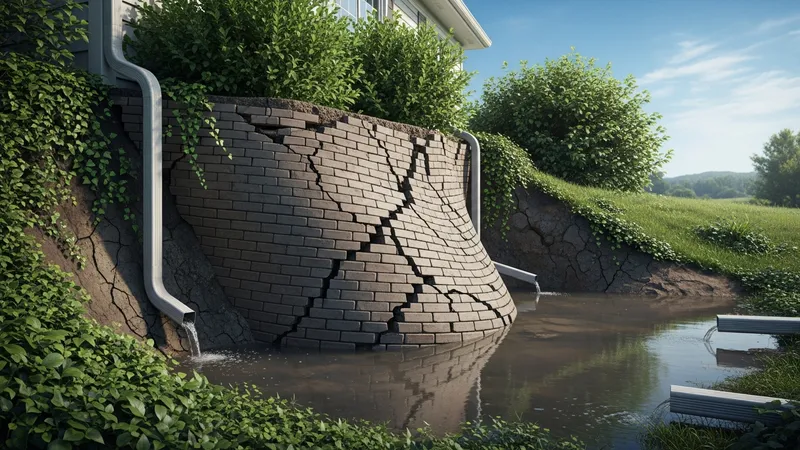
Landscaping that retains or directs water toward the foundation may inadvertently contribute to moisture accumulation. Over time, excess dampness can lead to soil expansion or compaction, both of which can affect the foundation’s integrity. Proper grading, functional gutters, and the placement of downspouts are generally recognized as important factors in managing surface water away from the building perimeter.
Vegetation, especially large trees or shrubs planted near the structure, is another environmental factor that may impact the foundation. Extensive root systems can extract moisture from soil, sometimes causing uneven drying or shrinking beneath the foundation. In certain regions, this may lead to localized movement or settling that becomes apparent through surface cracking or shifting building lines.
Changes in weather patterns, such as an increase in rainfall or rapid freeze-thaw cycles, may also affect the rate at which foundation warning signs develop. Expansive soils are particularly sensitive to moisture changes, and cycles of wetting and drying can amplify movement. Awareness of local soil conditions and seasonal weather trends can support ongoing monitoring for exterior symptoms of foundation change.