
Foundation Repair: Insights Into Early Warning Signs

Foundation Repair: Interior Warning Signs and Their Interpretation
Interior warning signs may offer some of the first clues that a foundation is experiencing changes. These can include cracks appearing along walls, especially near doors and windows, or gaps forming along ceiling joints. Internal flooring may also demonstrate warping or separations, which occupants may notice when walking or moving furniture. Careful observation of these subtle differences over time can provide useful data about the overall condition of the structure.
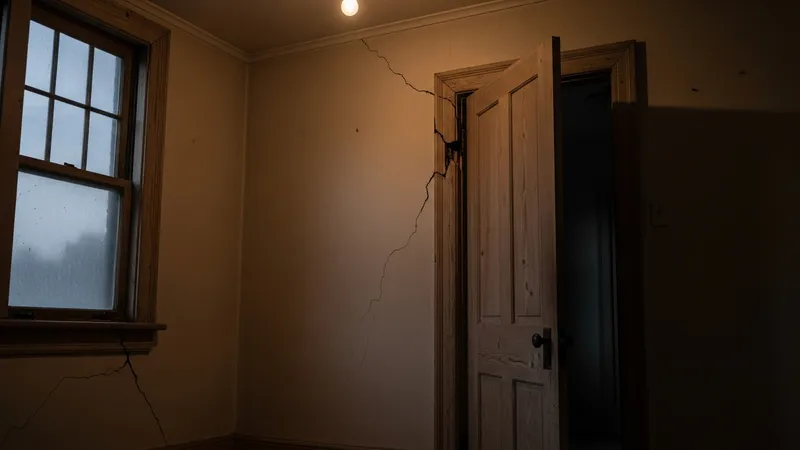
Sticking or misaligned doors and windows are often reported by property owners as a primary sign. This usually occurs due to shifting or settling underneath the supporting structure, leading to uneven pressure on frames. Although humidity and seasonal changes can also cause minor swelling of wood, persistency or worsening issues may merit attention. Documenting these experiences with dates and locations inside the property can assist in establishing a timeline for changes.
Basement and lower-level spaces are particularly susceptible to visible warning signs. Bowed, cracked, or leaning walls in basement areas can occur due to factors such as hydrostatic pressure or poor drainage around the exterior. Longitudinal cracks in floors or walls may also indicate settlement not immediately apparent on higher levels. Regular inspection of these spaces, coupled with monitoring for moisture or mold, forms part of a comprehensive observation approach.
Sound, such as creaking or popping noises, may also relate to foundation movement though auditory clues are less specific than visual indicators. These sounds typically arise from building materials adjusting in response to shifts or loads. Correlating sounds with visual changes, such as new cracks or sticking doors, may help build an overall understanding of unfolding structural behavior within the property.