
Foundation Repair: Insights Into Early Warning Signs

Foundation Repair: Monitoring and Documentation Best Practices
Effective monitoring of foundation warning signs typically involves periodic checks of key areas both inside and outside the building. Setting a schedule for visual inspections, taking clear photos, and recording measurements can provide a record of changes over time. This documentation may be valuable if professional assessment becomes necessary, as it allows for tracking not only the presence but also the progression of specific indicators.
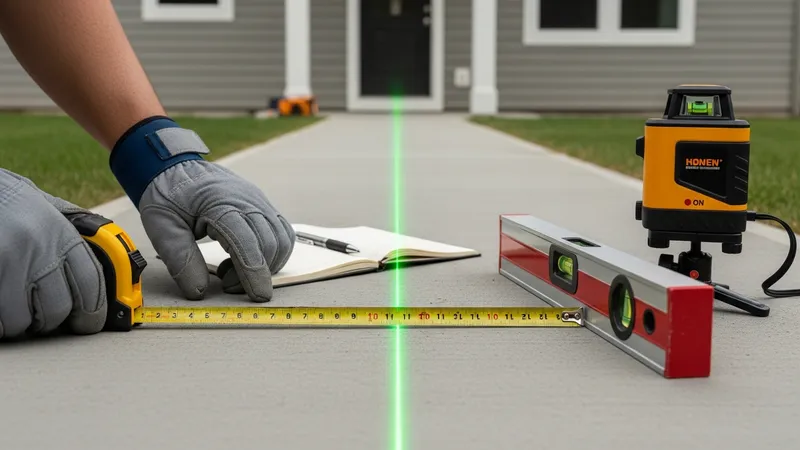
Instruments such as levels, laser lines, or measuring tapes may be employed to track shifts in flooring, wall straightness, and the alignment of doorways. Consistent use of the same reference points enables more reliable detection of gradual changes. Even small adjustments in measurement procedures can affect perceived results, so consistency is generally recommended for reliable outcomes.
A logbook or digital file dedicated to notes about interior and exterior observations can support structured monitoring. Entries may include dates, locations, observed symptoms, and environmental conditions at the time of inspection. This systematic approach can help to distinguish between normal building movement and patterns that could indicate a developing concern.
In some situations, additional professional support may be engaged to conduct specialized inspections using tools such as elevation surveys or moisture meters. While basic monitoring can be completed by building occupants, more advanced methods may be necessary for a precise diagnosis. Neutral documentation is valuable in all cases for maintaining a clear, objective record of observed warning signs.