
Foundation Damage: Early Warning Signs Homeowners Should Know

Inspection Methods for Early Warning Signs
Inspection for foundation damage indicators often involves a blend of DIY monitoring and professional evaluation techniques. Homeowners in the United States may utilize simple tools, such as a level or measuring tape, to track subtle floor changes or wall separations over designated intervals. Recording the width, length, and direction of any emerging cracks in a dedicated log can help compare changes and determine if the situation typically warrants a specialist review.
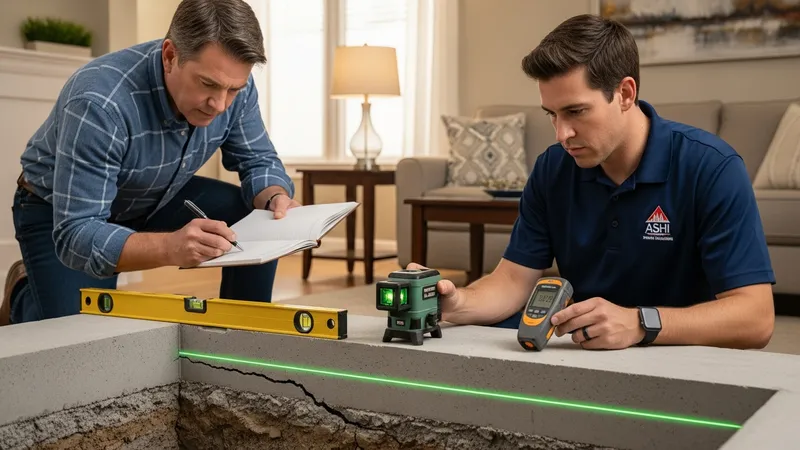
Licensed home inspectors certified in structural assessment, such as members of the American Society of Home Inspectors (ASHI), commonly deploy additional tools. These may include laser levels for floor analysis and moisture meters for detecting underlying leaks or elevated humidity. The integration of comprehensive inspection reports with photographic evidence may assist in identifying patterns of progression or stability in foundation-related signs.
Professional engineers may be consulted in instances where initial findings raise concerns about structural safety. Their assessments often include additional soil tests, analysis of house plans, and recommendations for monitoring. Engineers may advise periodic re-inspections at set intervals to distinguish between normal settlement and structural compromise. In the United States, structural engineering consultations may range in cost from approximately $350 to $700, depending on the complexity of the case and location.
While straightforward inspection methods may suffice in routine situations, identifying early warning signs is a process best informed by both consistent visual checks and access to objective measurement tools. When subtle changes are observed, it is standard practice to track these signs over time under the guidance of building maintenance or inspection professionals.