
Foundation Damage: Early Warning Signs Homeowners Should Know

Assessment of Contributing Environmental and Structural Factors
The emergence of early warning signs for foundation damage is often linked with both environmental and architectural factors. Soil composition around homes in the United States can vary significantly, with expansive clay soils being particularly prone to swelling and contraction from changes in moisture levels. These soil dynamics frequently influence shifts or settling of the foundation, thus elevating the possibility of associated warning signs manifesting.
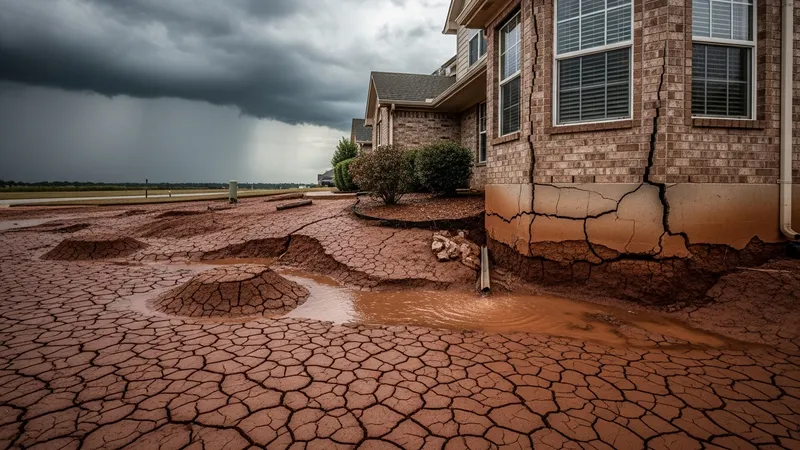
Rainfall patterns and local drainage conditions are also critical elements. Regions that experience heavy seasonal precipitation may see a greater frequency of moisture-induced stress on foundations. Inadequate drainage systems or improperly sloped landscaping may direct water toward foundation walls, exacerbating cracking or moisture entry issues. Monitoring external grading and maintaining clear gutters can be helpful preventive considerations.
Building design choices, material selection, and construction era can determine sensitivity to foundation movement. Older properties, particularly those constructed before widespread use of reinforced concrete, may be especially susceptible to shifting. The prevalence of basements in certain U.S. regions also introduces unique risk factors, as sub-grade construction may be affected by groundwater and hydrostatic pressure.
Tree root systems, especially those of mature species planted close to structures, can extract significant moisture from soils or physically disturb foundation elements. In some U.S. municipalities, local ordinances recommend spacing trees a minimum distance from house foundations, which may decrease the propensity for soil shift and subsequent foundation movement. Regularly assessing surrounding vegetation and water management practices supports awareness of these risk factors.