
Foundation Damage: Early Warning Signs Homeowners Should Know

Categories of Common Foundation Damage Indicators
Foundation damage indicators in residential and commercial properties can typically be grouped into several observable categories. These include visible physical changes, functional issues within the structure, and environmental influences affecting foundation performance. By understanding the various types, individuals may be better equipped to notice early deviations from normal building conditions.
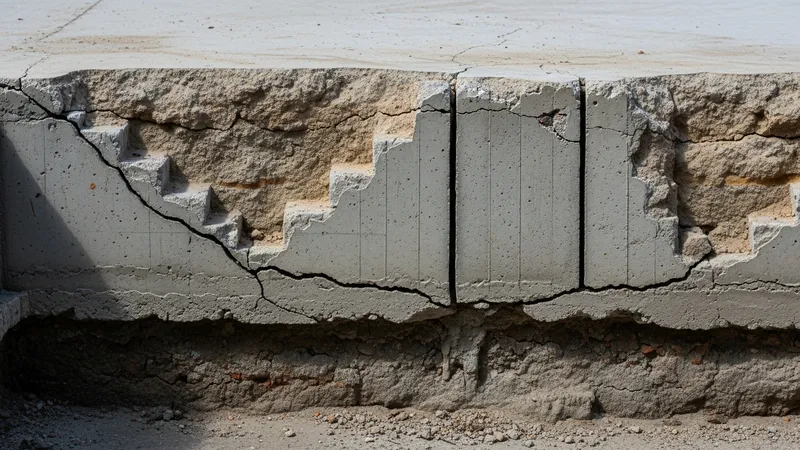
Physical changes often manifest as cracks or separations in key structural areas. Cracks may develop in different patterns depending on the type, age, and material of the building’s foundation. Stair-step cracks in masonry, for example, may indicate movement distinct from the straight or vertical cracks seen in poured concrete bases. The size, direction, and frequency of these cracks often inform the type of further investigation pursued.
Functional changes—such as doors or windows that no longer open smoothly, or uneven flooring—may occur with minimal visible cues elsewhere in the structure. These changes are sometimes detected during routine household use before any visual indication is apparent. Floors that creak or doors that tend to swing or jam can all suggest gradual foundation movement.
Environmental influences may also prompt observable changes related to foundation condition. Water pooling near the building, improper grading, or the growth of nearby tree roots can all affect the stability of a foundation over time. Elevated humidity or dampness in basements may additionally serve as indirect signaling of below-grade foundation stress or moisture ingress. Understanding these categories encourages ongoing, mindful observation of building performance.