
Foundation Damage: Early Warning Signs Homeowners Should Know

Detecting early foundation damage in buildings typically involves observing common indicators that may signal structural shifts beneath a property’s base. Homeowners and property managers often monitor for signs that the foundation could be experiencing stress or settling. These indicators, appearing inside or outside of homes, may offer the first clues that structural attention is advisable. Early recognition may assist with prioritizing formal evaluations by professionals and may limit the scope of any remedial action required.
Common warning signs of foundation concerns are usually subtle and can include small cracks, doors or windows that begin to stick, or floors that develop uneven areas. Observing these features does not conclusively mean foundation failure, but they are recognized by engineers and inspectors as initial patterns that could merit further investigation. Environmental factors, local soil composition, and building age may all influence how and when these signs emerge.
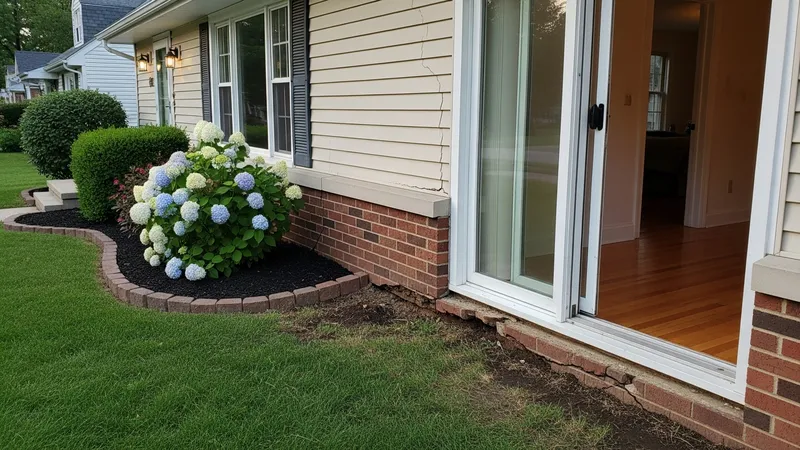
- Cracks in Foundation Walls: Typically, horizontal, vertical, or stair-step cracks in visible sections of the foundation wall can suggest shifts or settling beneath the structure. Reference: International Association of Certified Home Inspectors (InterNACHI) – Foundation Cracks.
- Uneven or Sloping Floors: Floors that appear out of level or develop slopes may be a response to gradual movement in the underlying foundation. Reference: InterNACHI – Uneven Floors.
- Sticky Doors or Windows: If doors or windows consistently jam or do not remain properly aligned, this may point to subtle changes in the building framework often caused by foundation settlement. Reference: HomeAdvisor – Sticky Doors and Windows.
Physical cracks, whether hairline or more prominent, are among the earliest and most visible signs. These may appear along interior drywall, exterior brickwork, or in the exposed portion of the foundation itself. The pattern and location of these cracks can help structural professionals assess the nature of any underlying movement, though surface cracks do not always indicate structural failure.
Floors can become uneven for reasons other than foundation issues, but persistent or worsening slopes often correspond to settlement or soil movement beneath a building. Modern inspection tools may help quantify such slopes, supporting more precise assessment. Uneven floors are particularly common in regions with expansive clay soils or in older homes where support systems may have aged.
The operation of doors and windows can be a useful practical check, as frames may deform if the building shifts. Consistently sticky or misaligned openings are noted in many professional inspection routines as one possible surface manifestation of foundation movement. These issues tend to develop gradually and can be monitored over time for any progression.
The presence of any of these indicators does not automatically confirm a foundation problem. Many factors, including seasonal variations and minor settling, could lead to similar observations. Nonetheless, consistently monitoring for these changes may permit a timely inspection before more serious conditions develop. The subsequent sections examine practical components and considerations in more detail.