
EV Charging Stations: Understanding Installation Processes And Requirements

Regulatory Compliance for EV Charging Installations in Ireland
Compliance with Irish regulations forms a foundational component in EV charging station installation. The National Rules for Electrical Installations (ET101) published by the Electro-Technical Council of Ireland (ETCI) detail wiring and safety standards all registered contractors must follow. These rules outline requirements for cable protection, earth bonding, and the use of residual current devices (RCDs) to mitigate the risk of electric shock.
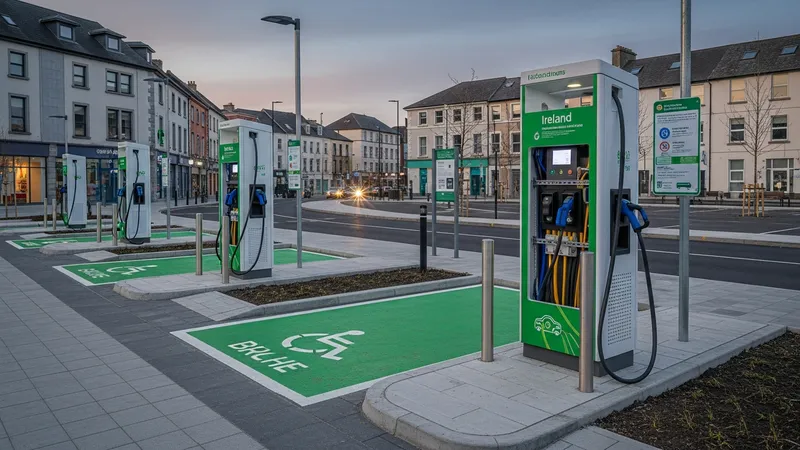
Securing planning permission may be necessary for certain public installations, especially if civil works, changes to public realm, or signage are involved. Local authorities typically specify criteria relating to bay markings, access for people with disabilities, and visual impact—ensuring stations do not detract from streetscapes or protected structures. Many home and private workplace installations can proceed under permitted development rights, but formal notification or guidance from local councils is often prudent.
Health and safety obligations set by the Health and Safety Authority (HSA) require all electrical works to be performed by Qualified Certifiers. Contractors are expected to provide certification that installations comply with ET101 requirements on completion. For high-traffic public installations, additional safety features such as automatic disconnection or emergency stop mechanisms may be mandated under health and safety law.
ESB Networks involvement is standard in Ireland where new connections, load increases, or changes to the electricity metering arrangements are required. Installers liaise with ESB to complete applications, arrange site visits, and ensure full compliance with the national grid standards. This coordination supports both safe operation and long-term reliability in line with Irish policy objectives on EV adoption.