
EV Charging Stations: Understanding Installation Processes And Requirements

Irish Policy, Grants, and Practical Considerations in EV Charging Installations
Irish government policy on transport decarbonisation, as reflected in documents such as the Climate Action Plan, offers support for the expansion of EV charging infrastructure. Agencies like the Sustainable Energy Authority of Ireland (SEAI) administer grant schemes for residential chargers, supporting homeowners who install compliant charging points. Eligibility and levels of support are set out on SEAI’s website and are subject to periodic review in line with policy targets.
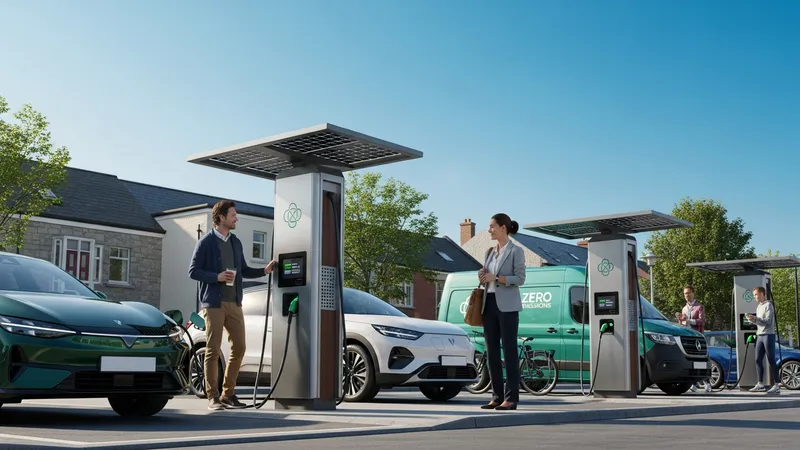
For businesses and public bodies, additional funding or guidance may be accessible for the installation of workplace or public chargers. Grant conditions often stipulate the use of approved products, installation by Registered Electrical Contractors, and retention of documentation for compliance audits. The availability and structure of supports can change, influencing planning and uptake rates throughout Ireland.
Smart charging capabilities, enabling load management and timed charging, are increasingly promoted in larger Irish installations. These features may help align EV charging demand with periods of lower grid usage, supporting energy efficiency and cost management. The rollout of smart meters across Ireland provides further opportunities for integrated management of vehicle charging and household consumption.
Public awareness, adequate signage, and interoperability between charging networks remain ongoing considerations for Irish stakeholders. Installation planning now commonly incorporates needs for user information displays, accessible payment options, and real-time fault reporting. As both government and users continue to learn from existing projects, ongoing feedback is fostering steady improvements in Irish EV charging infrastructure.