
EV Charging Stations: Understanding Installation Processes And Requirements

Electrical Capacity and Infrastructure Evaluation
Electrical capacity evaluation is integral to safe and effective deployment of EV charging stations in Ireland. Domestic properties usually feature a single-phase supply with main fuses rated between 63A and 80A, which can typically support one charger of 3.6 kW or 7.4 kW when properly installed. Where simultaneous operation of multiple high-powered appliances is anticipated, an assessment of total load and possible upgrades is recommended, especially to avoid overloading.
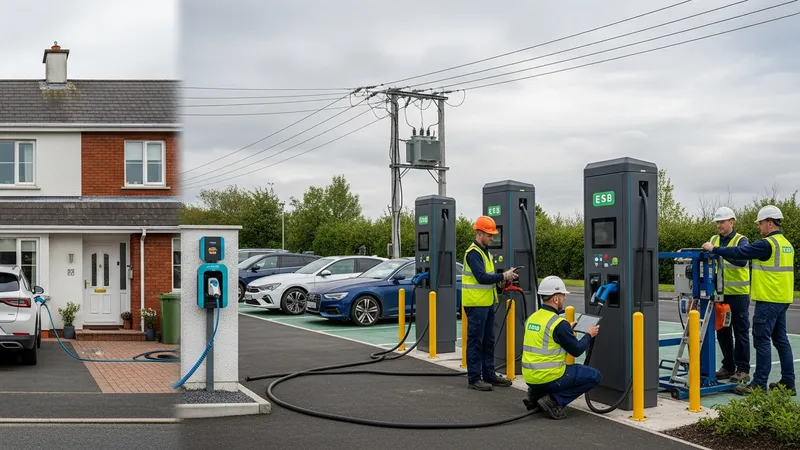
Public and commercial installations frequently require three-phase connections to support increased load, faster charging, and multiple units. The process may involve coordination with ESB Networks for supply upgrades or metering changes. Standard commercial chargers in Ireland provide outputs up to 22 kW using three-phase power, whereas rapid DC chargers—often installed by national networks or large employers—may deliver 50 kW or more.
Voltage drop calculations and cable selection are technical aspects that must comply with the National Rules for Electrical Installations (ET101). Installers assess distance from supply point to charging location, cable size, and protection devices like RCDs or circuit breakers to ensure safety. The presence of additional electrical equipment, such as solar PV or battery storage, can add further complexity requiring bespoke technical design.
In several Irish localities, the presence of older electrical infrastructure may necessitate significant upgrades or rewiring before any new load is connected. Engaging a qualified, Registered Electrical Contractor (REC) ensures that existing infrastructure is suitable and highlights any actions needed to align with both safety codes and anticipated usage. This planning is especially pertinent in heritage settings or older city centre properties.