
EV Charging Stations: Understanding Installation Processes And Requirements

Site Assessment for EV Charging Stations in Ireland
Site assessment serves as the starting point for any EV charging station installation in Ireland. This process encompasses evaluating the intended location for vehicle access, spatial constraints, and proximity to mains supply. For domestic installations, close positioning to parking areas with minimal cable runs is typically sought to optimise both user convenience and cost-effectiveness. Commercial or public sites, meanwhile, may factor in pedestrian safety, public lighting, and traffic flow to align with local authority requirements.
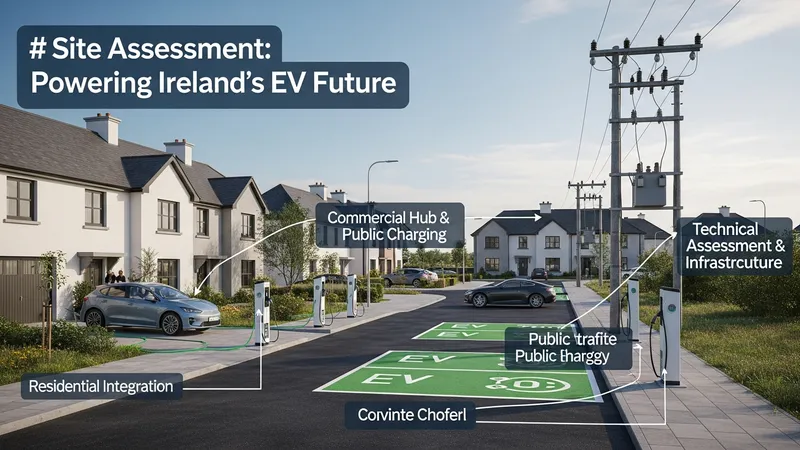
Part of the site assessment involves reviewing available electrical infrastructure. In Irish settings, single-phase domestic supplies are often standard, supporting most home charging needs. For public or workplace chargers, three-phase power may be necessary to deliver higher charging speeds. Assessing the distribution board orientation, spare capacity, and cable ratings assists in identifying whether upgrades or reinforcements are needed. Utility providers and certified electricians play a role in confirming these technical details.
Accessibility and signage also come under scrutiny in the Irish regulatory context. Planning guidelines set out by local councils may stipulate minimum bay sizes and necessary markings to ensure that charging points are easily identifiable, safely accessible, and protected against obstructions. This attention to public safety is especially relevant in multi-user settings such as retail car parks or street-based installations in urban areas.
Environmental considerations, such as local weather patterns and exposure to marine air or heavy rainfall, garner attention—especially for outdoor installations. In Ireland’s climate, ensuring compliance with appropriate Ingress Protection (IP) ratings and corrosion-resistant fittings may reduce the risk of long-term damage. These site-specific factors contribute to durable, reliable, and safe operation over the expected lifespan of EV charging equipment.