
EV Cars: Navigating Range, Performance, And Efficiency

Performance Aspects in EV Cars: Navigating Range, Performance, and Efficiency
Performance metrics in electric vehicles often concentrate on acceleration, top speed, and handling response. Due to the design of electric motors, most EVs can supply maximum torque from a standstill, resulting in quick acceleration. Results may vary between models, with higher-performance versions like the Tesla Model S Plaid achieving reported 0–60 mph times near 2 seconds under ideal conditions.
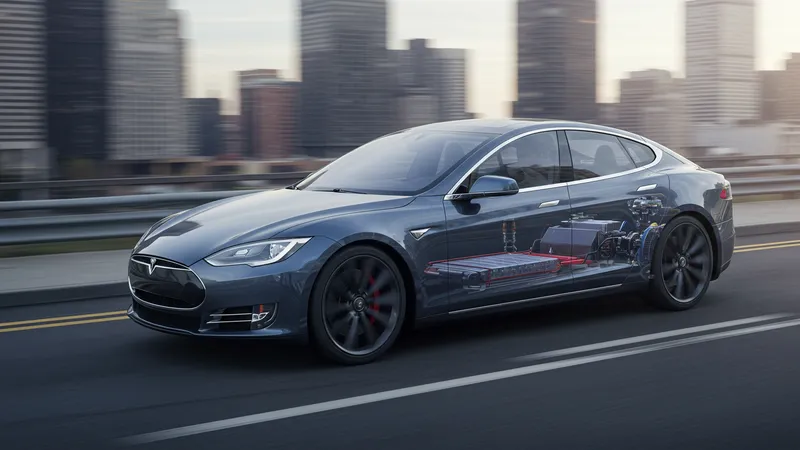
Handling and driving dynamics in EVs are influenced by weight distribution and placement of the battery pack, usually in the chassis floor. This low center of gravity can enhance vehicle stability and offer a different driving feel compared to traditional combustion-engined vehicles. Nevertheless, total weight from large batteries may affect maneuverability in some scenarios.
Braking systems in electric cars often incorporate regenerative techniques, converting kinetic energy back to electricity during deceleration. This feature not only contributes to overall efficiency but can influence the quality of the braking experience, requiring adaptation for those more accustomed to conventional brakes.
Manufacturers commonly equip EVs with drive modes that adjust throttle response, power output, and traction control to suit different preferences or weather conditions. These options can help optimize both performance and battery life. As the technology matures, ongoing developments are likely to further broaden the variety of performance profiles available to users.