
EV Cars: Navigating Range, Performance, And Efficiency

Efficiency Measurements in EV Cars: Navigating Range, Performance, and Efficiency
Efficiency in electric vehicles is typically quantified using specific engineering metrics, such as miles per kilowatt-hour (mi/kWh) or kilowatt-hours used per 100 miles. These figures allow users to compare the relative energy expenditure of different models under standardized laboratory conditions. For instance, vehicles like the Chevrolet Bolt EV often achieve between 3 to 4 mi/kWh in official tests.
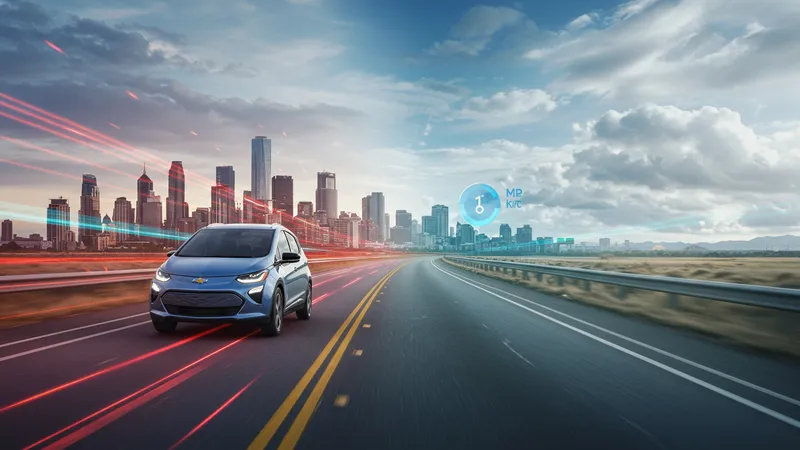
The actual efficiency observed by users may differ due to real-world factors, including driving speed, accessory usage, and temperature extremes. City driving can sometimes be more efficient in EVs compared to highway use, as regenerative braking is utilized more frequently, recapturing energy that would otherwise be lost as heat.
Charging patterns also have an indirect influence on perceived efficiency. Charging losses, which occur during the transfer of energy from the grid to the vehicle, may moderately increase the overall electricity required to drive a given distance. These losses can vary depending on charger type and ambient conditions.
EV manufacturers continue to prioritize incremental improvements in aerodynamics, rolling resistance, and vehicle weight to achieve higher efficiencies. As these design strategies become more widespread, future models may offer more consistent performance and efficiency outcomes across a wider range of operating conditions.