
EV Cars: Navigating Range, Performance, And Efficiency

Range Factors for EV Cars: Navigating Range, Performance, and Efficiency
Range in electric vehicles is dictated by several factors, including battery capacity, vehicle efficiency, and driving environment. Modern EVs utilize different battery chemistries, with lithium-ion being the predominant choice due to its balance between energy density and weight. Larger battery packs may allow for longer driving distances between charges but can add cost and increase overall vehicle mass.
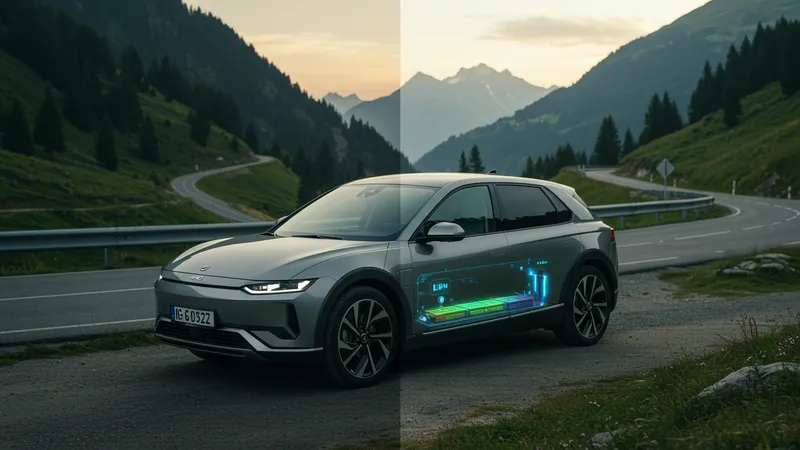
External conditions such as temperature and road topography can have a significant impact on available range. Cold weather may lower battery efficiency, leading to a measurable reduction in travel distance per charge. Similarly, driving on hilly or mountainous terrain can require more energy, which can shorten the operational range compared to flat, temperate conditions.
Energy usage habits—such as frequent acceleration, sustained high-speed driving, and use of climate control systems—can change how far an EV travels before recharging is necessary. Many EVs include real-time monitoring systems to help users understand the impact of their driving style on battery depletion and remaining range.
Charging infrastructure is an external consideration that influences range practicality. The availability of fast-charging stations may provide an option to extend longer journeys with shorter stops. However, charging speeds can depend on vehicle design and battery health, and not every location offers the same convenience. As infrastructure expands, range anxiety could become less of a constraint for daily use and travel planning.