
EV Cars: Insights Into Safety Standards And Requirements

Battery Integrity and Electrical Protection in EV Cars: Insights into Safety Standards and Requirements
Ensuring the integrity of batteries is a central component of EV safety standards. International and national bodies often require that batteries withstand a series of mechanical, thermal, and electrical tests to demonstrate resilience under normal and abnormal conditions. Laboratory-based assessments may include shock, vibration, and penetration tests, while real-world procedures can address vehicle crashes and fire risks. These approaches help confirm that batteries typically remain structurally sound and isolated from occupants.
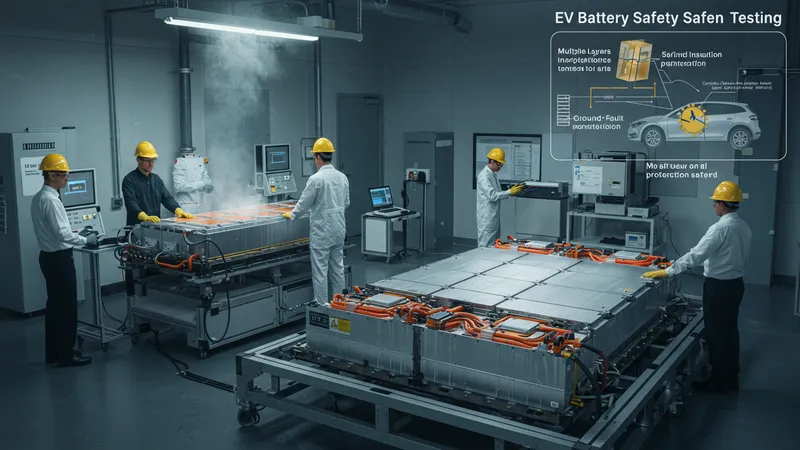
Electrical protection standards focus on minimizing the risk of electrocution or short circuit during vehicle operation and post-crash scenarios. Systems are often designed with multiple layers of insulation, ground-fault monitoring, and automatic disconnection features. For example, UNECE Regulation No. 100 outlines minimum requirements for live part isolation, which vehicle manufacturers interpret through design, material selection, and redundancy in critical components.
In terms of regulatory compliance, manufacturers are expected to provide documentation and testing results to authorities before market approval. This process may involve periodic re-assessment as battery chemistries and vehicle functions evolve. Additional requirements for labeling and user warnings are designed to inform operators and emergency personnel about the presence and condition of high-voltage systems in the event of an accident or malfunction.
Electrical safety measures may also extend to charging protocols and infrastructure compatibility. Adherence to recognized standards helps mitigate the risk of overheating, electrical arcing, or incompatible voltages when connecting to public or private charging stations. Performance validation under routine and extreme usage scenarios can provide increased assurance for vehicle owners and service providers.