
EV Cars: Insights Into Safety Standards And Requirements

Crash Testing and Certification for EV Cars: Insights into Safety Standards and Requirements
Crash testing is a cornerstone for certifying the roadworthiness of electric vehicles. Manufacturers typically subject their vehicles to controlled simulations such as frontal, side, rear, and rollover impacts in accredited facilities. These assessments are generally required by authorities like the U.S. NHTSA or conducted according to protocols set by organizations such as Euro NCAP to evaluate occupant safety and overall vehicle resilience.
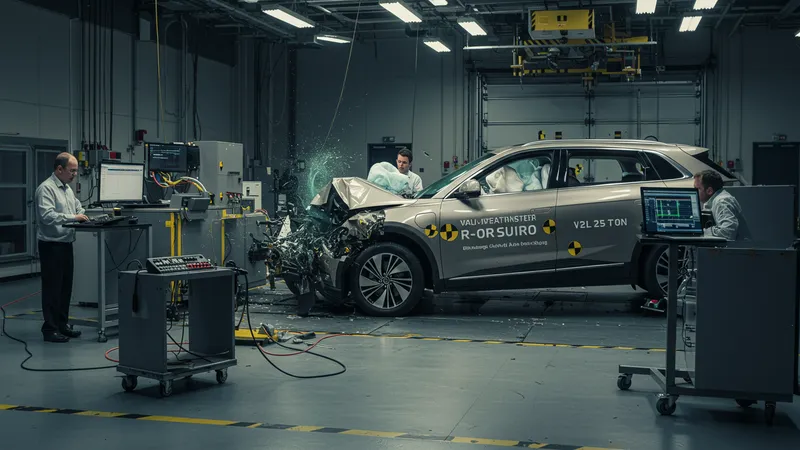
Certification processes often include independent audits to verify data integrity and adherence to the relevant safety standard. This ensures that results shared with the public or regulators reflect actual vehicle performance. In some regions, voluntary crash tests may coexist with mandatory protocols, providing an additional layer of transparency for consumers and industry stakeholders.
For electric vehicles, crash tests frequently incorporate specific evaluations for battery containment and the prevention of short circuits during and after impacts. Procedures examine whether high-voltage systems remain isolated and whether there are risks of thermal events or exposure to occupants and first responders. Success in these criteria usually precedes the granting of sale certifications or safety ratings.
Ongoing certification may be necessary for vehicles that undergo design updates or incorporate new battery technologies. Detailed records of tests and modifications are typically kept by both manufacturers and regulatory bodies to track compliance over time. This adaptive approach may help manage emerging risks as EV design and component specifications evolve.