
EV Cars: How Electric Vehicles Work And Their Key Features

Electric Propulsion Systems and Performance in EV Cars
Electric vehicles rely on electric motors, which transform battery energy into mechanical power for movement. Compared to internal combustion engines, electric motors can deliver torque instantly, often resulting in smooth and responsive acceleration. Most passenger EVs use alternating current (AC) or direct current (DC) motors, with design variations reflecting intended performance, efficiency, and cost considerations.
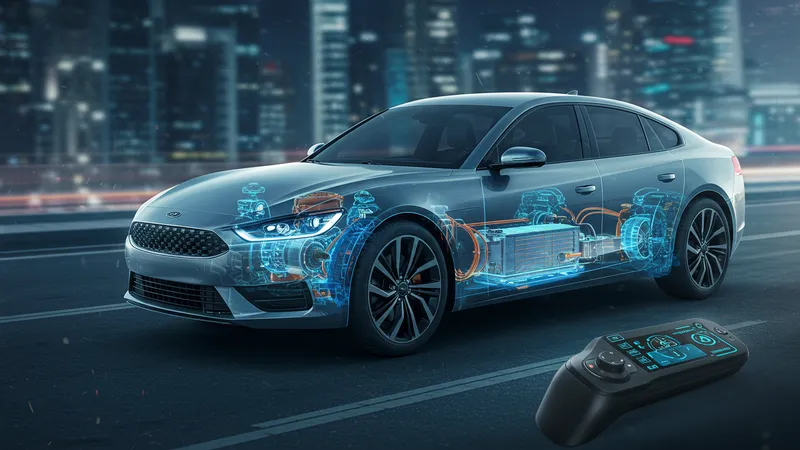
The propulsion system incorporates a controller that manages power distribution and coordinates the relationship between user inputs (such as accelerator pedal position) and motor response. Many electric vehicles include software-driven features for optimizing performance, energy usage, and safety. For example, regenerative braking is commonly integrated, which captures energy during slowing down and feeds it back into the battery, supporting efficiency gains.
Drive configuration also differs among models. Some EVs use a single motor powering either the front or rear wheels, while others deploy dual motors to provide all-wheel-drive capability. This adaptability allows manufacturers to tailor vehicles for a range of applications, from urban commuting to higher-performance requirements. Variations in weight distribution, handling, and energy consumption are directly influenced by the propulsion layout.
Performance benchmarks in EVs, such as acceleration times and top speeds, are determined by factors including battery output, electric motor power, and vehicle aerodynamics. For instance, the Tesla Model S is known for achieving relatively quick acceleration due to its strong electric motor output. However, individual performance may fluctuate based on software updates, battery condition, and user-selected drive modes. Manufacturers regularly release technical documentation outlining expected parameters under standardized test conditions.