
EV Cars: How Electric Vehicles Work And Their Key Features

Charging Infrastructure and Practical Considerations for EV Cars
The growth of electric vehicle usage is closely linked to the availability and accessibility of charging infrastructure. Charging can be performed at home using standard wall outlets or dedicated EV charging units, and public charging networks continue to expand into urban and highway locations. Charging stations are classified by power output: Level 1 (120V), Level 2 (240V), and DC fast charging. The speed and convenience of each option may influence an EV owner’s charging habits and overall experience.
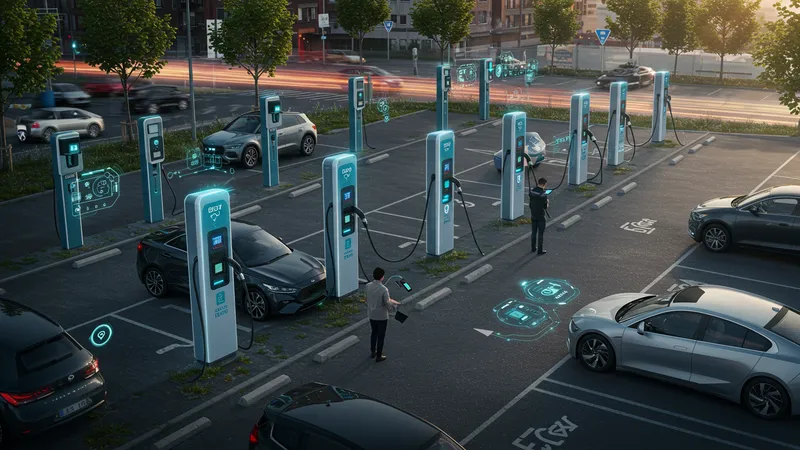
Public charging infrastructure typically operates through networked platforms, which may require registration for use but are designed to be accessible to EV drivers in general. Charging locations are often mapped via apps or in-vehicle navigation systems, indicating real-time availability and compatibility. Charging network providers regularly collaborate with utility companies and municipalities to expand coverage and to support infrastructure in both residential and commercial areas.
Home charging is considered by many users to be practical for day-to-day needs, particularly if a high-output Level 2 charger is installed. Installation costs for home charging can vary widely depending on electrical requirements and local regulations. Some vehicle manufacturers offer bundled installation services or partnerships with professional installers, but pricing is subject to geographic and technical factors.
The efficiency of charging depends on both hardware and software factors. Vehicle software can manage charging times, optimize charging to favorable electricity rates, and notify users of charging completion or issues. Variability in charging speed may occur due to power source limits, battery temperature, and concurrent demand at charging locations. Government policy and planning often play a role in incentivizing infrastructure growth and establishing technical standards to ensure user safety and system reliability.