
EV Cars: How Electric Vehicles Work And Their Key Features

Electric Vehicle Batteries and Energy Storage
Batteries are the primary energy source for electric vehicles. Most modern EVs use lithium-ion batteries because they can store significant energy relative to their weight and size. The battery pack consists of multiple cells connected to supply the high-voltage power necessary for vehicle operation. Battery management systems oversee charging, discharging, temperature regulation, and safety protocols. These systems can extend battery life and help protect against overcharging or excessive depletion, which may degrade battery health over time.
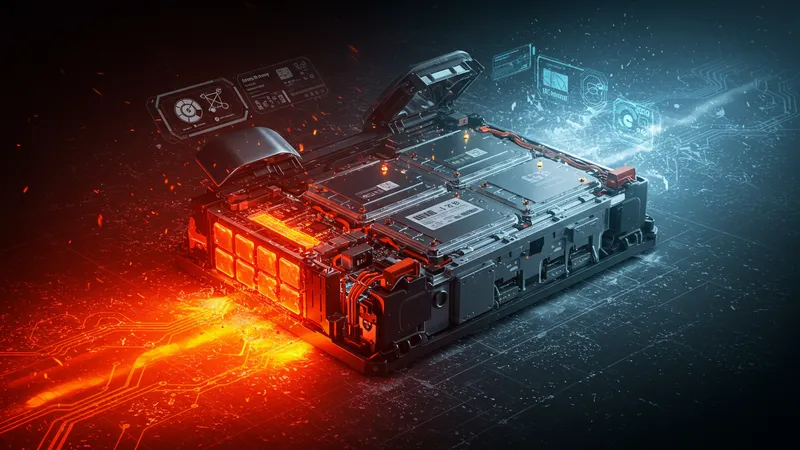
The typical range of an EV depends on battery size, energy density, driving habits, and environmental conditions. For example, the Nissan Leaf offers battery capacities that may provide approximately 149 to 212 miles per charge, while the Tesla Model S can reach up to 405 miles depending on the configuration. Temperature extremes—both hot and cold—can impact battery performance, influencing range and charging efficiency. Ongoing research aims to improve battery resilience and energy density through new chemistries and engineering solutions.
Charging an EV battery involves connecting to a power source via one of several connector standards. Charging speeds vary: Level 1 uses household current and is the slowest, Level 2 is faster and often installed at homes or public sites, and DC fast chargers allow for much quicker top-ups. Manufacturers provide different charging specifications, and actual charging times may fluctuate based on battery status, power output, and external factors such as temperature or local grid conditions. Users often combine at-home and public charging to suit their usage patterns.
Battery lifespan is typically measured in cycles or years, with most lithium-ion EV batteries designed to retain a significant portion of capacity after several thousand cycles. Warranty coverage from manufacturers generally offers reassurance but does not guarantee performance beyond specified limits. End-of-life battery management now includes various recycling strategies and, in some cases, secondary use in stationary storage. Industry and regulatory bodies are developing guidelines to govern the collection, recycling, and proper disposal of used batteries to address sustainability concerns.