
EV Cars: How Electric Vehicles Work And Their Key Features

Electric cars, often known as EVs, utilize electric motors powered by batteries rather than conventional internal combustion engines found in traditional vehicles. The batteries, typically lithium-ion types, store and supply the energy that drives these motors. EVs connect to external electric power sources for charging, and once charged, use that stored energy for movement, accessories, and other vehicle systems. Regenerative braking, a process in which slowing down the vehicle recycles energy back into the battery, is another common feature that enhances overall energy efficiency.
Unlike fuel-powered vehicles, electric vehicles do not require gasoline or diesel. Instead, they rely on electricity from the grid or dedicated charging stations. The overall design usually consolidates moving parts compared to conventional engines, potentially leading to different maintenance requirements. Key features such as onboard charging units, battery management systems, and software-controlled driving dynamics distinguish EVs from other vehicle types. These components work together to optimize performance, safety, and user experience while focusing on energy efficiency.
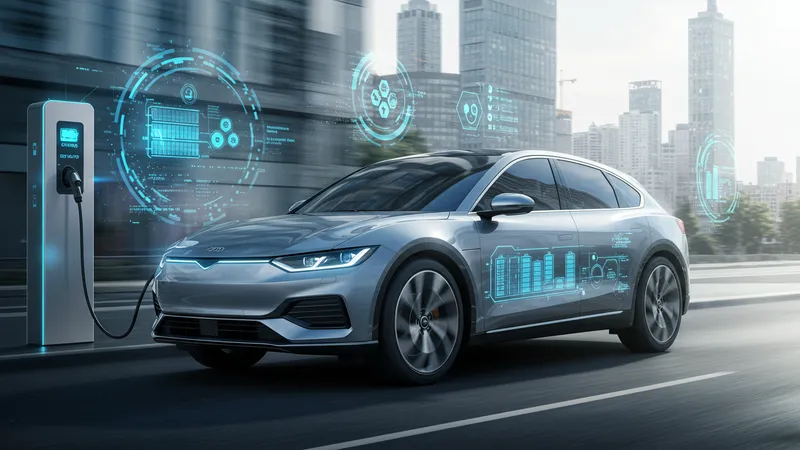
- Tesla Model S: Recognized for its advanced electric drivetrain, the Model S typically features a driving range from 375 to 405 miles per charge. Approximate price range: $85,000–$105,000.
- Nissan Leaf: One of the first widely available EVs, it comes with a typical range of 149 to 212 miles on a single charge. Pricing may be around $29,000–$36,000 depending on configuration.
- Chevrolet Bolt EV: This compact EV typically offers 259 miles of range per charge and is often priced between $27,000–$32,000.
The above list illustrates three widely referenced electric vehicle models that highlight various aspects of how EV technology is implemented. Their ranges and pricing represent general patterns in the current market, providing an introduction to practical EV considerations. The selection reflects vehicles with established track records, as well as different approaches to battery capacity and charging infrastructure compatibility.
EVs may significantly reduce tailpipe emissions compared to conventional vehicles, as they do not produce exhaust gases. The overall environmental impact depends on the electricity generation mix used for charging; renewable energy sources can further reduce lifecycle emissions. Battery materials, recycling practices, and regulatory standards also influence environmental outcomes, and these aspects are continually evolving with technological advancements.
Energy storage is a core distinguishing factor in EVs. The performance, efficiency, and driving range of an electric vehicle are closely tied to battery technology and management systems. Improvements in battery chemistry typically lead to gains in vehicle range, faster charging, and enhanced durability. Manufacturers allocate substantial resources toward research in this area, seeking to balance cost, safety, and energy density.
The market for EVs continues to grow, with new models entering various automotive segments. Options now extend from compact hatchbacks to larger SUVs and commercial vans. Charging infrastructure, such as home wall units and public charging networks, is developing to support increased adoption. Prospective users often compare range, charging time, and cost of ownership to select a vehicle that aligns with their needs.
In summary, electric vehicles work by integrating advanced electric propulsion systems and battery technology, while their key features set them apart from conventional vehicles. The next sections examine practical components and considerations in more detail.