
EV Cars: Essential Considerations Before Making A Purchase

Upfront Costs and Ownership Expenses as Part of EV Cars: Essential Considerations Before Making a Purchase
The initial outlay for an electric vehicle may often be higher than for a conventional car of similar features. This is largely attributed to the high cost of lithium-ion battery technology. However, ongoing expenses related to electricity use, maintenance, and repairs can often result in savings over time, although outcomes vary by region and driving habits.
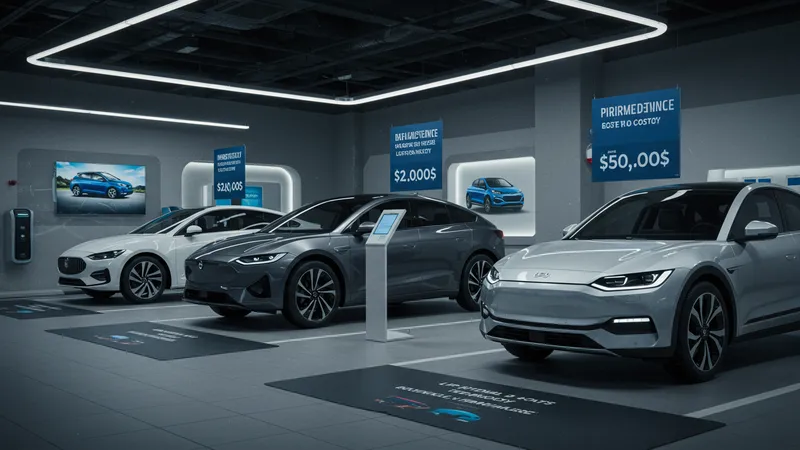
EV pricing spans a wide spectrum, from entry-level models to high-performance varieties. Entry models are typically priced between $25,000 and $40,000, while premium versions may exceed $60,000. Incentives in certain markets may affect these figures, but availability and criteria for such programs can change over time.
Electricity rates for charging vary by location, time of use, and provider. Some users benefit from lower overnight rates or time-of-use plans, which can reduce the cost of charging at home. Maintenance tasks for EVs are commonly less frequent due to the reduced number of moving parts, but specialized labor for battery issues or complex electronics may affect total cost calculations.
Insurance costs for EVs may differ from comparable gasoline vehicles due to the vehicle’s value, repair network familiarity, and parts availability. It is advisable for prospective buyers to assess not just purchase price but projected expenses over several years, factoring in their expected usage and local conditions.