
EV Cars: Essential Considerations Before Making A Purchase

Warranty, Manufacturer Support, and Other Factors in EV Cars: Essential Considerations Before Making a Purchase
Manufacturer warranty coverage for electric vehicles is a crucial component often evaluated by buyers. Many EV manufacturers extend specific warranties for batteries, frequently offering 8- to 10-year or mileage-based assurances. These provisions typically aim to address concerns about battery degradation and repair costs during early ownership years.
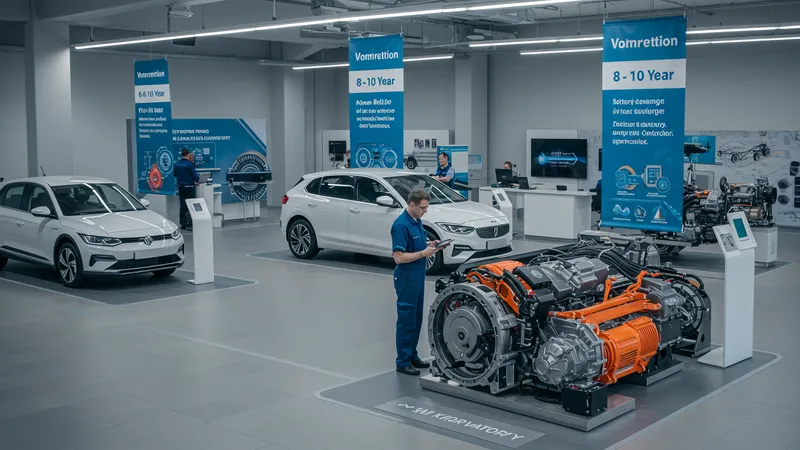
Aside from battery coverage, warranty terms for other components such as electric motors, inverters, and electronic controllers can differ among brands and regions. After-sales support infrastructure is also a factor, including the availability of trained technicians and replacement parts for specialized EV components.
Software updates are another aspect of modern EV ownership. Some manufacturers can frequently update vehicle systems remotely, which may enhance features or improve performance over time. The ability to receive over-the-air updates may reduce the need for service visits, yet also depends on the manufacturer’s support model and data connectivity in the owner’s area.
Additional purchasing considerations include potential resale value, regional incentives, and environmental impacts relating to battery production and recycling. Prospective owners may benefit from reviewing all these factors holistically. Each element contributes to building a complete and well-informed perspective on the suitability of a particular EV for intended use cases and local context.