
EV Cars: Essential Considerations Before Making A Purchase

Charging Infrastructure Compatibility within EV Cars: Essential Considerations Before Making a Purchase
The effectiveness of EV ownership is often linked to the maturity and accessibility of charging infrastructure. For most users, this includes both home charging solutions and public charging networks. Having a home charging station can significantly enhance convenience, allowing routine charging during off-peak hours or overnight.
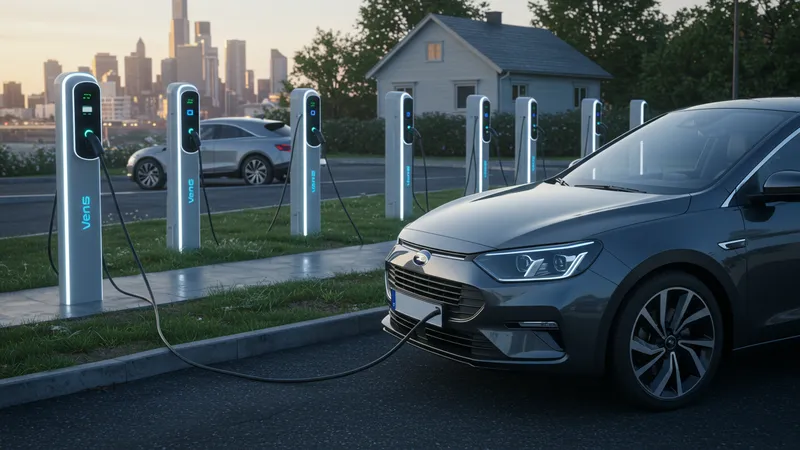
Public charging availability varies by location and network provider. In urban centers and along major travel corridors, the presence of fast-charging and regular charging sites has grown. However, rural areas and some regions may have sparser coverage. Vehicle buyers are advised to review charging options relevant for their typical routes or travel patterns prior to purchase.
Charging speeds depend on the charger type and the vehicle’s onboard charging capability. Level 1 (120V) charging is slow but accessible for most households, while Level 2 (240V) outlets can recharge batteries more rapidly overnight. Direct Current (DC) fast charging provides the quickest option, though not all vehicles are compatible with every network or charging standard.
Compatibility involves connector types as well, with standards like CCS, CHAdeMO, and Tesla Supercharger designed for different brands and regions. Owning an EV typically means understanding these distinctions and determining which networks or at-home setups are available or suitable for the intended vehicle.