
EV Cars: Emission Reductions And Sustainability Potential

Sustainability Trends and Considerations in EV Cars: Emission Reductions and Sustainability Potential
Policy measures, such as emission standards, subsidies, and investment in renewable infrastructure, can influence the adoption of EV technology and its associated sustainability outcomes. These frameworks often seek to accelerate the transition away from fossil fuels and support the integration of electric cars into wider transportation networks by making charging more accessible and electricity generation cleaner.
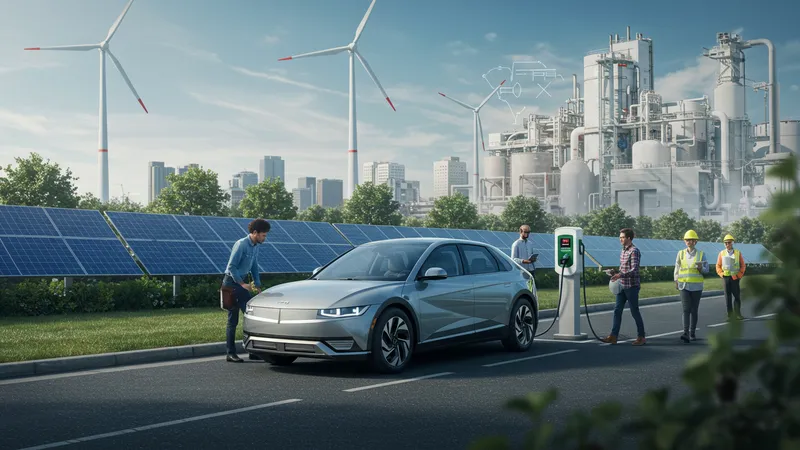
Vehicle manufacturers and industry consortia are collaborating to standardize processes, particularly for battery manufacturing and recycling. Efforts to improve transparency and traceability in mining for materials like lithium are underway, often via third-party certifications or best practice guidelines. Such initiatives aim to ensure that the whole value chain for EVs aligns more closely with environmental and social governance principles.
The sustainability potential of EVs also encompasses the prospects for battery advancements, including higher energy densities and faster charging times. Improvements in battery design may lower resource intensity and extend service life, which could further improve the emissions profile over a vehicle’s lifetime. Research continues on next-generation batteries using abundant, less problematic materials.
Consumer behavior plays a role in shaping the emission impact of EV adoption. Factors such as average driving distance, frequency of charging, and engagement with renewable energy tariffs all contribute to a given EV’s net impact. Typical outcomes may vary widely depending on regional grid mixes, user choices, and ongoing technological evolution in battery production and recycling.