
EV Cars: Emission Reductions And Sustainability Potential

Key Environmental Impacts Related to EV Cars: Emission Reductions and Sustainability Potential
Examining the direct environmental impacts of EV cars highlights the absence of tailpipe emissions during use, a primary distinction from traditional gasoline or diesel vehicles. This feature commonly results in improved urban air quality, particularly where vehicle density is high. However, the total emissions footprint depends on upstream factors such as electricity generation methods for charging and vehicle production processes.
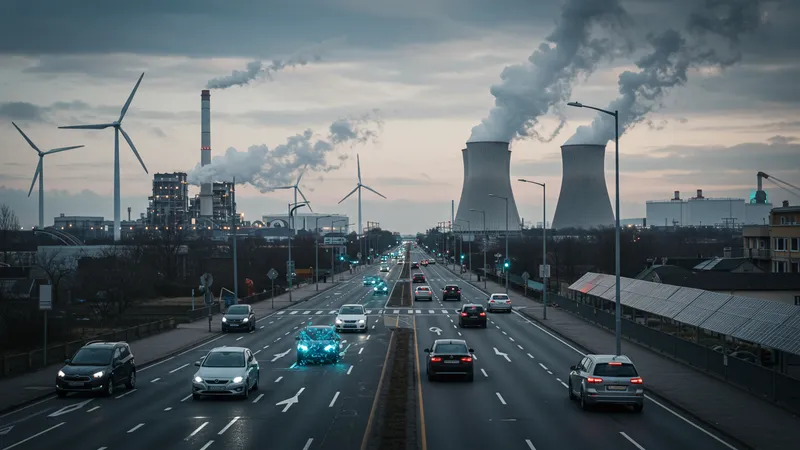
Electricity generation for EV charging can significantly shape the actual reduction in greenhouse gases. In areas relying mostly on renewable sources or low-carbon grids, charging an EV typically produces much lower indirect emissions than conventional vehicles. In contrast, regions still dependent on coal or oil-fired power plants may see more modest total emissions benefits. Fluctuations in the energy mix can shift the comparative footprint of electric versus combustion-engine cars over time.
Batteries are core to both the operation and the environmental profile of electric cars. The extraction and refinement of battery materials like lithium, nickel, and cobalt involve energy-intensive processes, sometimes associated with environmental degradation and resource depletion. Ongoing advancements in battery chemistry and supply-chain management may help reduce the lifecycle impacts linked to battery production, though this is an area of active research and policy attention.
Many countries and manufacturers are expanding efforts to develop circular models for EV batteries. Established recycling programs aim to reclaim valuable materials and reduce waste, potentially lowering the need for primary resource extraction. Such approaches are seen as increasingly important for improving the overall sustainability of the electric vehicle sector and managing future end-of-life battery handling.