
EV Cars: Emission Reductions And Sustainability Potential

Performance and Practical Aspects of EV Cars: Emission Reductions and Sustainability Potential
Performance factors such as range, charging speed, and vehicle weight affect the overall efficiency and sustainability of electric cars. Advances in battery technology can lead to longer driving ranges, potentially reducing the frequency of charging and resource use over time. However, the energy consumed in manufacturing larger batteries must be balanced against these performance improvements from a sustainability perspective.
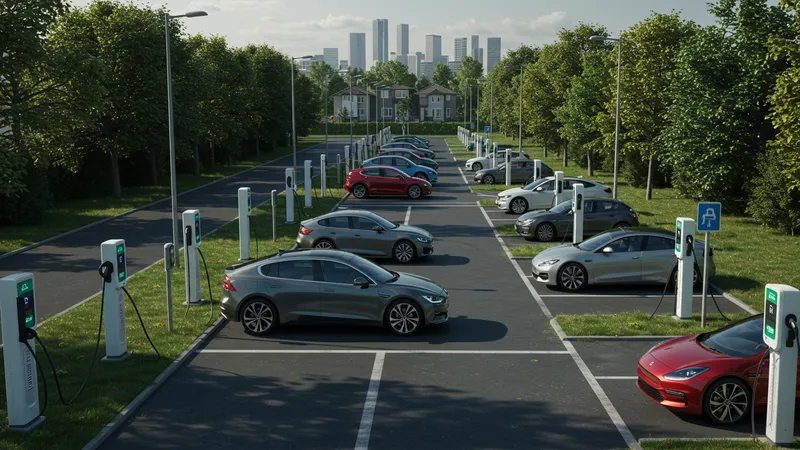
The location and convenience of charging infrastructure often shape practical adoption patterns, which can, in turn, impact the broader emission-reduction potential of EV fleets. Densely developed public charging networks may facilitate the shift toward zero-tailpipe emission vehicles in urban and suburban environments. Slow expansion of charging capacity, however, may impede uptake in certain regions, thus limiting total emission reductions at scale.
Cost factors—covering both upfront purchase prices and long-term maintenance—are relevant for assessing sustainability and emission-reduction prospects. While some EV models, like those previously listed, typically feature higher initial prices than many conventional vehicles, lower maintenance requirements and reduced energy costs over time can partly offset higher upfront expenditures. Actual costs vary based on local energy prices, support policies, and supply chain variables.
Incentives for installation of home charging stations, integration with smart grids, and capability for vehicle-to-grid energy return are other features influencing the emission and sustainability outcomes of EV adoption. These elements, together with ongoing technological progress, could enable more efficient energy use and potentially contribute to greater environmental benefits, depending on implementation context.