
EV Cars: Comparing Powertrain Technology And Drive Experience

Electric Motor Configurations and Performance Differences in EVs
Electric vehicles (EVs) are designed with different motor configurations, shaping their power output and overall drive experience. The most common layouts include single-motor front-wheel drive (FWD), rear-wheel drive (RWD), or dual-motor all-wheel drive (AWD) setups. Each configuration influences factors such as traction, acceleration, and efficiency. For example, dual-motor AWD systems may provide greater grip and improved acceleration, whereas single-motor systems typically focus on simplicity and energy conservation.
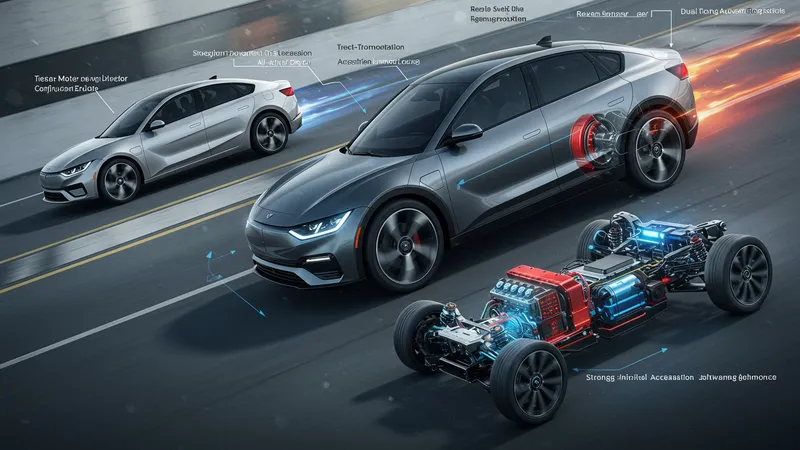
Instantaneous motor torque is a characteristic trait of EVs. Drivers may notice strong initial acceleration from a standstill due to the way electric motors deliver power. However, the overall performance envelope is influenced by software controls, motor power ratings, and the relationship between motors when multiple are installed. Regenerative braking, often tied to the motor system, can vary in strength and user adjustability.
Some EVs offer selectable performance modes that alter the interaction between the battery, motor(s), and electronic controllers. These modes can change the throttle response, available power, and regeneration profiles, allowing drivers to optimize either for energy savings or dynamic driving. While selectable modes are widely available, not all EVs provide the same degree of customization.
Engineering choices around motor cooling and placement may affect reliability and noise characteristics as well. Direct-drive systems, in which motors are connected straight to the wheels, can reduce mechanical losses and noise compared to indirect systems with gearboxes. These decisions contribute to the diversity of driving experiences seen across the EV sector and lead to meaningfully different impressions behind the wheel.