
EV Cars: Comparing Powertrain Technology And Drive Experience

Batteries and Energy Storage in EV Powertrain Technology
Battery technology plays a foundational role in electric vehicle (EV) powertrains. Most modern EVs use lithium-ion batteries due to their energy density and rechargeability. Variables such as battery size, configuration, and thermal management strategies can impact both performance and long-term durability. These factors often determine the range and the practical daily usability of the vehicle, with typical ranges for current models spanning from around 150 to over 400 miles on a full charge, depending on battery capacity and driving efficiency.
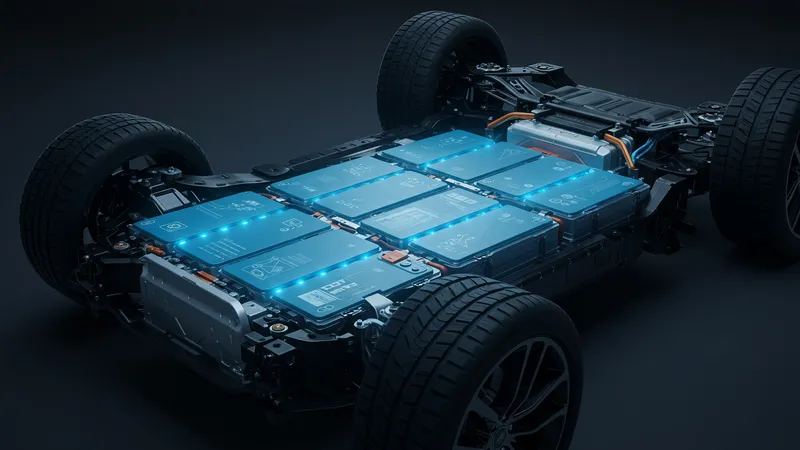
The placement of battery packs is another component shaping both the handling and safety of EVs. Many vehicles position batteries under the floor. This design lowers the center of gravity, which can enhance stability and maneuverability. However, larger packs add weight, which may moderate responsiveness. Manufacturers work to balance energy storage with weight and structural constraints.
Managing heat generated during charging and discharging is crucial for preventing performance drops and maximizing battery lifespan. Thermal management systems can utilize air, liquid, or phase-change materials to help regulate temperature. Optimizing these systems may lead to more consistent performance in various climates and under different driving demands.
Battery charging capabilities, including compatibility with fast-charging networks, are common differentiators between EV models. High-voltage charging systems may enable shorter charge times, but total recharge duration often varies with charger power, ambient temperature, and the state of the vehicle’s battery. Some EVs may allow partial fast charging for daily convenience, which offers flexibility for different user needs.