
EV Cars: Comparing Powertrain Technology And Drive Experience

Drive Experience: Comfort, Noise, and User Perceptions in EVs
The drive experience in electric vehicles (EVs) can differ from traditional vehicles, largely due to the unique attributes of electric powertrains. A common observation is the reduction of engine noise, which can make cabins quieter, especially at low to moderate speeds. Road and wind noise may become more noticeable as a result. Some models incorporate sound-deadening materials or active noise control to address cabin comfort.
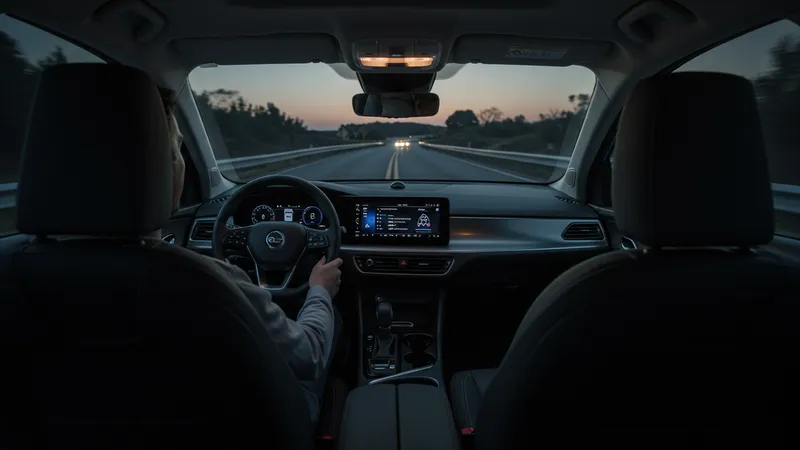
Instantaneous torque delivery is another defining aspect, often allowing for responsive acceleration. This trait is frequently discussed as providing a smoother and more predictable driving experience. However, the sensation may vary based on vehicle tuning and power output. Some EVs may soften initial response for efficiency, while others allow direct, immediate propulsion for a dynamic feel.
Cabin space and ride quality can also be impacted by how powertrain components are packaged. Placing batteries beneath the floor can free up interior space and improve balance, contributing to a stable ride. The lack of a traditional transmission can reduce driveline vibrations, though factors such as suspension setup and chassis rigidity remain influential in overall comfort.
User perceptions of EV driving tend to be shaped by both tangible and subjective elements, including acceleration feel, available driving modes, and the integration of digital controls. Manufacturers often provide customizable options to personalize vehicle response, such as varying the degree of regenerative braking or steering weight. These choices may enhance driver engagement without dictating a uniform experience across all models.